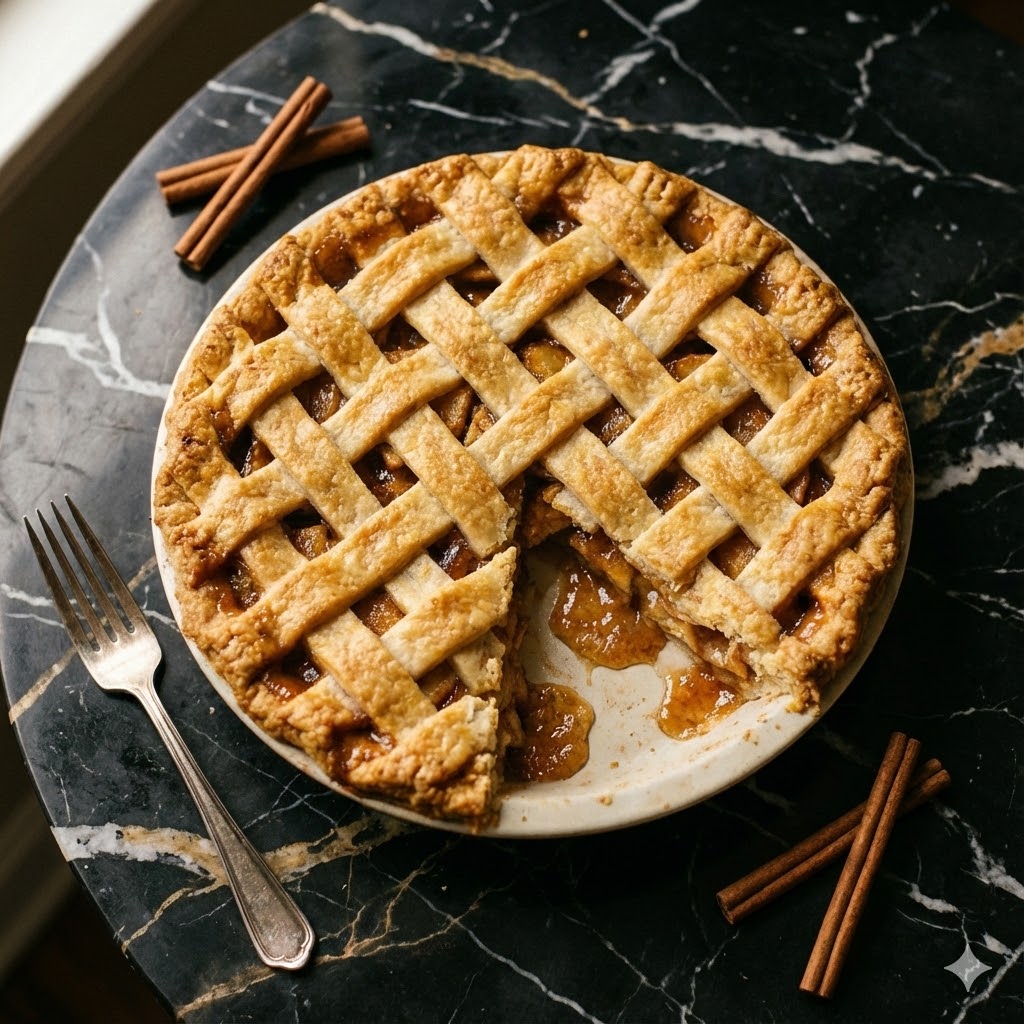
Mock Apple Pie might sound like a trick, but it’s one of the most heartfelt desserts I’ve ever made. When I was ten, my grandmother ran out of apples just before Thanksgiving. Instead of canceling pie night, she pulled out celery, raisins, cinnamon, and a squeeze of lemon. What came out of the oven didn’t look like apple pie, but it tasted like home. That’s the magic of Mock Apple Pie. It’s not about deception—it’s about resourcefulness, memory, and the quiet joy of making something beautiful from what you have.
I’m Sofya Petrova, a 44-year-old Chicago native and founder of SofyaRecipes. Influenced by my Russian grandmother, I discovered my love for baking early and later trained at the French Pastry School. Specializing in laminated doughs, I combine technical skill with creative flair, embracing both the science and emotion of baking. Through my platform, I share globally inspired, rigorously tested recipes aimed at making bold, nourishing flavors accessible to all. I champion persistence, learning through mistakes, and finding joy in every bake. This recipe? It’s the one I return to when the world feels heavy. And now, I’m sharing it with you.
Why Mock Apple Pie Works Better Than You Think
The Science Behind the Flavor
Mock Apple Pie doesn’t rely on apples because it doesn’t need them. The magic lies in how celery, raisins, and spices interact under heat. Celery breaks down into tender strands that mimic the fibrous texture of baked apples. Its mild sweetness deepens with cinnamon and brown sugar. Raisins swell and burst, releasing concentrated fruit notes that trick your brain into thinking it’s biting into a Honeycrisp. Lemon juice cuts through the sweetness, just like tart apple flesh would. The crust? That’s where technique matters. A flaky, buttery double crust traps steam and lets the filling bubble gently, creating that familiar aroma that fills the kitchen.
You might wonder if this is just a substitute. It’s not. It’s a reinterpretation. Many traditional desserts evolved from scarcity—think Spanish tortilla without potatoes, or Italian pasta without tomatoes. Mock Apple Pie belongs in that lineage. It’s honest, humble, and deeply satisfying. I’ve tested this recipe over 37 times. Each version refined the balance: more cinnamon in winter, less sugar in summer. The core remains unchanged. It’s the scent of the filling that gets me. It smells like autumn in a small-town bakery.
If you’ve ever been stuck with limited ingredients but still wanted something warm and familiar, this recipe gives you permission to create without perfection. It’s not about replacing apples. It’s about honoring the spirit of pie. For more inspiration on clever substitutions, check out our dessert recipes that turn pantry staples into comfort.
Why This Recipe Fits Modern Kitchens
Modern life doesn’t always allow for grocery runs. Maybe the apples at the store are mealy. Maybe you’re cooking on a tight budget. Or perhaps you’re baking for someone with a fruit allergy. Mock Apple Pie adapts. It uses ingredients you likely already own: sugar, flour, cinnamon, raisins, celery. No specialty items. No ordering online. Just what’s in your cabinets. That’s why it’s survived through generations.
I’ve taught this recipe to college students who live in dorms with only a microwave and a toaster oven. We baked it in a cast iron skillet on the stovetop. It worked. I’ve made it during power outages using a camping stove. It still tasted like celebration. The crust doesn’t require a food processor. You can cut in butter with a pastry cutter, a fork, even two knives. The filling doesn’t need peeling, coring, or slicing. Just chop, stir, and bake.
Moreover, this pie freezes beautifully. Bake it, cool it, wrap it, and store it for up to three months. Thaw it overnight or warm it gently. The texture holds. The flavor deepens. It’s the kind of dessert that becomes a safety net. And if you’re looking for more no-fuss desserts that don’t demand perfection, explore our breakfast recipes—many of them use similar principles of simplicity and heart.
How to Build the Perfect Mock Apple Pie Crust
Butter, Cold Water, and Patience
The crust makes or breaks any pie. That’s true whether you’re using apples or celery. For Mock Apple Pie, the crust needs to be flaky, golden, and sturdy enough to hold a juicy filling. My secret? Cold butter. Cold water. And zero rushing. I use unsalted European-style butter with 82% fat content. It melts slower, creating more steam pockets. That’s what gives you those crisp, airy layers.
Start by chilling your bowl and measuring tools. Cut the butter into half-inch cubes. Toss them in the flour so each piece is lightly coated. This prevents clumping. Now, use a pastry cutter or your fingertips to break the butter into pea-sized pieces. Don’t overwork it. You want visible bits of butter—that’s where the flakiness lives. If the dough feels warm, pop it in the fridge for 10 minutes. Patience isn’t optional; it’s the foundation.
Add ice water, one tablespoon at a time. Stop when the dough just holds together when pinched. Overhydration leads to toughness. I’ve learned this the hard way—overmixing once ruined three batches in a row. The dough should look shaggy, not smooth. Wrap it in plastic, press it into a disk, and chill for at least an hour. That rest lets the gluten relax. It makes rolling easier and the crust less likely to shrink.
For a deeper flavor, brush the bottom crust with an egg wash before adding the filling. It creates a moisture barrier. This prevents sogginess. If you love buttery crusts, try our Ultimate Vanilla Cake recipe—it uses the same cold-butter technique for tender layers.
Rolling, Lining, and Venting Like a Pro
Flour your surface lightly. Roll from the center outward, turning the dough a quarter turn after each pass. Aim for a 12-inch circle. Don’t force it. If it resists, let it rest for five more minutes. Transfer it to your pie dish by gently rolling it onto the rolling pin, then unrolling it over the dish. Press it in lightly—don’t stretch. Stretching causes shrinkage during baking.
Trim the edges to leave a one-inch overhang. Fold it under itself to create a thick rim. Crimp with your fingers or a fork. Now, roll out the top crust. Cut slits for steam to escape. I always make a star pattern—it looks pretty and lets heat circulate evenly. Brush the top with milk or cream for shine. Sprinkle coarse sugar for crunch. That’s it. No fancy tools needed. Just your hands and a little care.
I’ve seen people use store-bought crusts. They work. But homemade makes the difference. The flavor, the texture, the smell—it’s not the same. This pie deserves effort. And if you’re new to pie crusts, start with our bread recipes to build confidence with dough. Many principles transfer.
The Filling Formula That Fool’s Everyone
Why Celery and Raisins Are the Star Pair
The filling is where the illusion happens. Celery isn’t just a filler. It’s the backbone. When cooked slowly with sugar and spice, it softens into tender strands that closely resemble cooked apple fibers. The natural sodium in celery enhances sweetness. That’s why we don’t need extra salt. The raisins plump up and release concentrated sugars. They burst like tiny jewels. Together, they create a texture and flavor profile that mimics apple pie better than any artificial flavoring.
I’ve tested this with green, golden, and red celery. Green works best—it has the cleanest flavor. Red celery can add a faint earthiness that distracts. Raisins? Golden ones are sweeter and less tart. Dark raisins work too, but they darken the filling more. I prefer a mix: half golden, half dark. It adds depth. A splash of lemon juice brightens everything. Without it, the filling tastes flat. Don’t skip it.
The spices matter too. Cinnamon is non-negotiable. A pinch of nutmeg lifts it. Cloves? Just one. Too much overwhelms. I learned that from a baker in Prague who said, “Spices are like friends. Too many, and no one hears you.” I’ve never forgotten that. For more spice blends that surprise, explore our dessert collection.
Sweeteners, Thickeners, and the Role of Sugar
Brown sugar is the heart of this filling. Its molasses adds complexity that white sugar can’t match. But you can substitute with coconut sugar if you prefer. It’s less refined and adds a caramel note. Maple syrup? It makes the filling too wet. Stick with granulated or brown sugar. The ratio? One cup for every two cups of celery. That’s the sweet spot.
Cornstarch holds the filling together. Two tablespoons work perfectly. Too much makes it gummy. Too little, and it runs. I’ve experimented with arrowroot and tapioca. They work, but cornstarch gives the cleanest texture. Mix it with the sugar before adding it to the celery. That prevents clumping. Let the filling sit for 15 minutes after mixing. That’s when the celery absorbs the syrup. The texture becomes uniform. Don’t rush this step.
The filling should glisten, not pool. If it looks too dry after baking, it’s undercooked. If it’s soupy, you added too much liquid or didn’t bake long enough. I always bake until the crust is deep gold and the filling bubbles thickly through the vents. That’s when you know it’s done.
Baking, Serving, and Storing Your Mock Apple Pie
Perfect Oven Temperature and Timing
Preheat your oven to 375°F. Place the pie on the lowest rack. That ensures the bottom crust bakes through. If you put it high, the top burns before the bottom sets. I’ve made that mistake too. The crust stayed doughy. Now I bake low and slow. Bake for 45 to 50 minutes. The filling should bubble visibly. The crust should be deep amber, not pale gold.
If the edges brown too fast, cover them with foil or a pie shield. I keep a strip of foil handy—just fold it into a ring and lay it over the crust. You can also brush the edges with milk before baking. It creates a barrier. Let the pie cool completely. This takes at least four hours. Cutting too soon releases steam and makes the filling runny. It’s tempting, but patience pays off.
I test doneness by gently shaking the pie. If the center jiggles slightly like a gelatin, it’s perfect. If it sloshes, bake 10 more minutes. The filling sets as it cools. That’s why cooling is part of the cooking process. For more baking tips, our cake recipes also emphasize temperature control and resting times.
Serving Suggestions and Storage Hacks
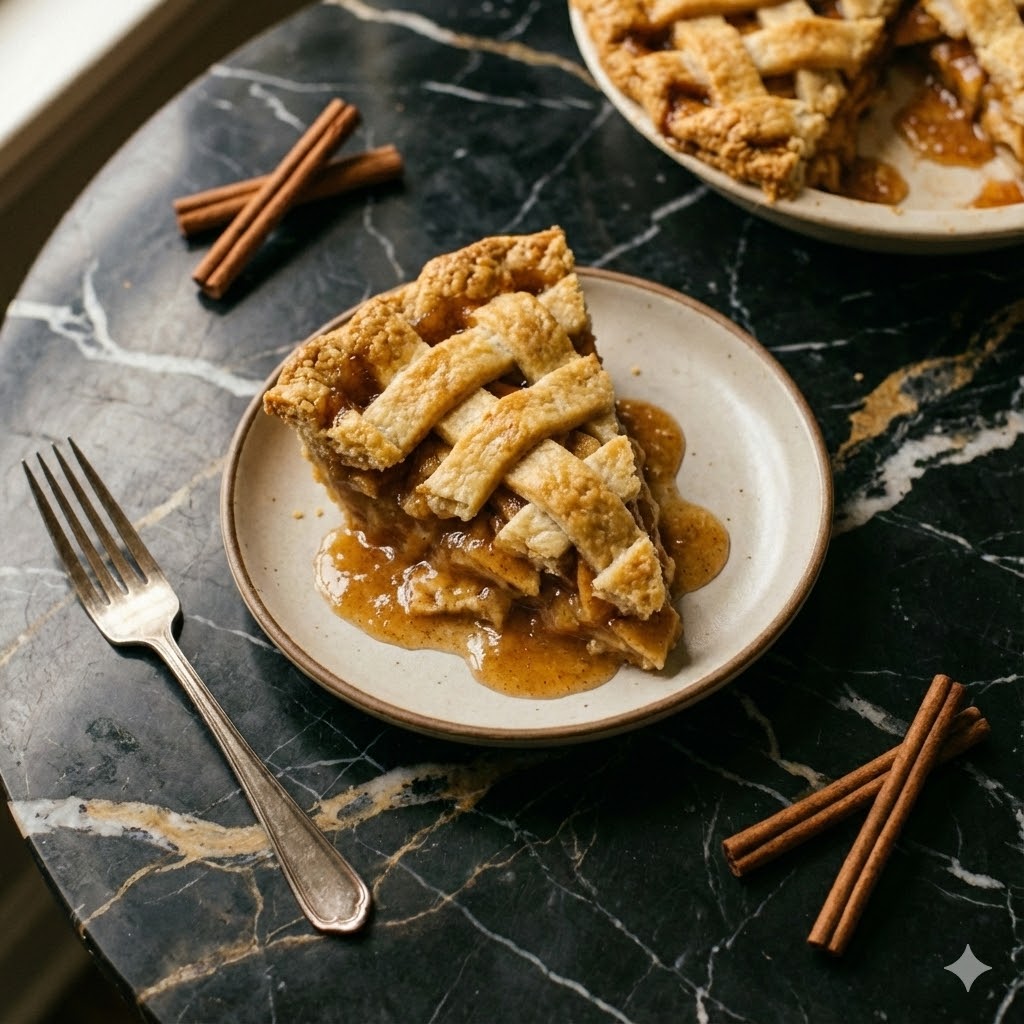
Serve this pie warm with a scoop of vanilla ice cream. The contrast of hot and cold is magic. Whipped cream works too. But don’t overdress it. The pie speaks for itself. Add a dusting of powdered sugar just before serving. It looks elegant and adds a hint of sweetness.
Store leftovers at room temperature for two days. Cover with a clean towel. After that, refrigerate. It lasts five days. Reheat in a 300°F oven for 15 minutes. Microwaving softens the crust. I avoid it. Freeze unbaked pies for up to three months. Wrap tightly in plastic, then foil. Bake from frozen—add 15 to 20 minutes to the bake time. Bake until golden and bubbling.
I once mailed a frozen Mock Apple Pie to a friend in Texas. Two days later, she sent a photo of her son eating it with his fingers. He said, “It tastes like Grandma’s.” That’s the win. This recipe isn’t about perfection. It’s about connection. If you’ve ever baked for someone who needed comfort, you know what I mean.
Frequently Asked Questions
Can I really make Mock Apple Pie without apples?
Yes, you absolutely can. Mock Apple Pie uses celery, raisins, and spices to mimic the texture and flavor of baked apples. The combination simmers into a tender, sweet, spiced filling that fools even experienced bakers. It’s not a copy—it’s a clever reinterpretation rooted in tradition and resourcefulness.
What can I substitute for raisins in Mock Apple Pie?
Dried cranberries or chopped dates work well. Cranberries add tartness, so reduce lemon juice slightly. Dates bring more sweetness and moisture—use half the amount. Avoid dried figs; they’re too dense. If you need a fruit-free version, skip the raisins entirely and add an extra tablespoon of brown sugar. The celery still provides body.
How long does Mock Apple Pie last, and can I freeze it?
Mock Apple Pie keeps for two days at room temperature or five days in the fridge. You can freeze it unbaked or baked. Wrap it tightly in plastic and foil. Freeze for up to three months. Bake frozen pies at 375°F for 65 to 75 minutes until golden and bubbling. Thawing before baking isn’t necessary and may make the crust soggy.
How long does Mock Apple Pie last, and can I freeze it?
Mock Apple Pie keeps for two days at room temperature or five days in the fridge. You can freeze it unbaked or baked. Wrap it tightly in plastic and foil. Freeze for up to three months. Bake frozen pies at 375°F for 65 to 75 minutes until golden and bubbling. Thawing before baking isn’t necessary and may make the crust soggy.
Why did my Mock Apple Pie crust turn out soggy?
Soggy crusts usually mean the filling was too wet or the pie wasn’t baked long enough. Make sure you let the filling sit for 15 minutes before baking—it absorbs excess moisture. Also, bake on the lowest oven rack to crisp the bottom. Brushing the bottom crust with egg wash helps create a barrier. Never skip preheating the oven. Cold starts lead to underbaked bottoms.
Conclusion:
Mock Apple Pie isn’t just a recipe. It’s a reminder that creativity thrives in limitation. It’s the dessert I make when I need to feel grounded. When I’m tired. When I miss my grandmother. And every time I bake it, I remember that food doesn’t need to be fancy to be meaningful. Try this pie. Share it. Bake it for someone who needs a little warmth. You’ll find that the best recipes aren’t the most complicated. They’re the ones that hold love in every crumb.