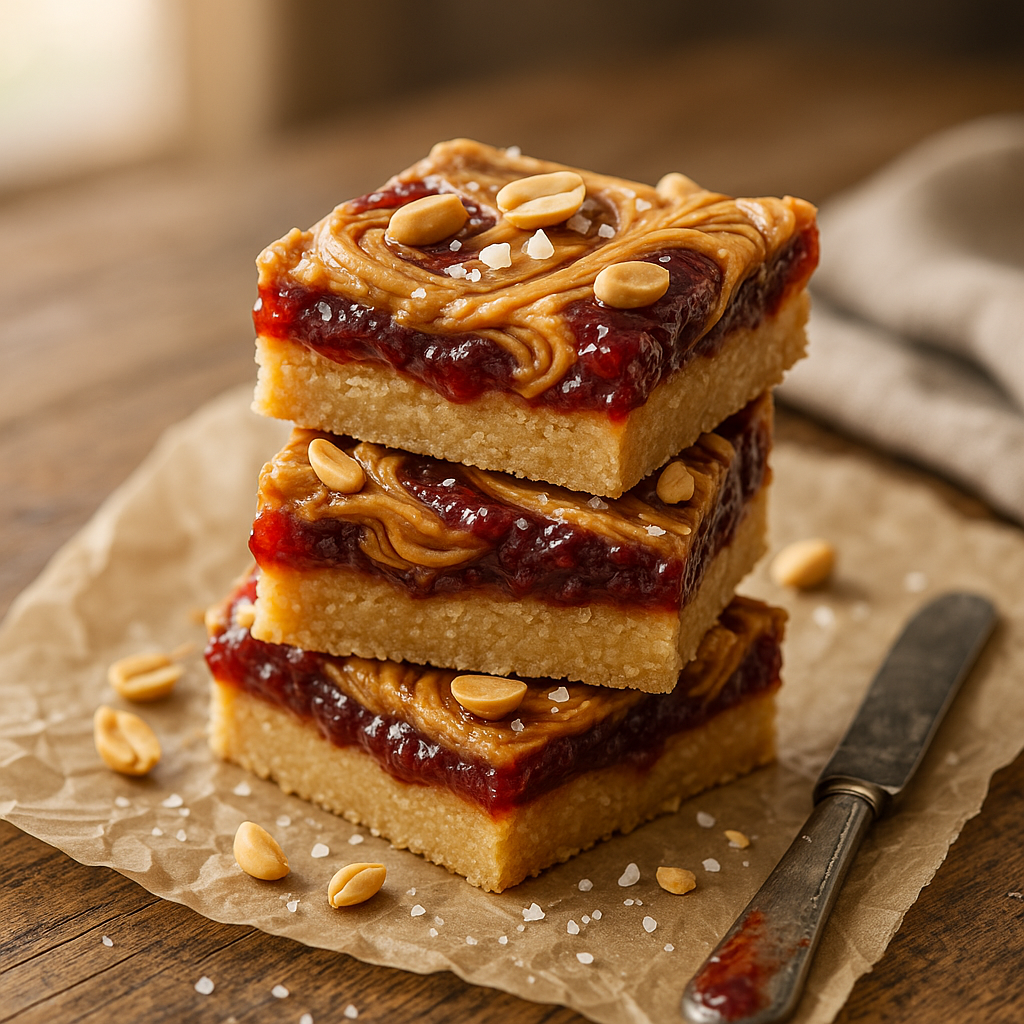

Gourmet peanut butter & jelly bars are the delicious result of blending childhood nostalgia with professional baking precision. I still remember the first time I made these as a teenager—my grandmother’s jar of homemade raspberry jam, a smear of crunchy peanut butter, and a simple shortbread crust. It wasn’t fancy, but it tasted like home. Years later, after training at the French Pastry School, I realized those simple flavors deserved more.
Sofya Petrova, a 44-year-old Chicago native, is a passionate baker and founder of SofyaRecipes. Influenced by her Russian grandmother, she discovered her love for baking early and later trained at the French Pastry School. Specializing in laminated doughs, Sofya combines technical skill with creative flair, embracing both the science and emotion of baking.
Through her platform, she shares globally inspired, rigorously tested recipes aimed at making bold, nourishing flavors accessible to all. She champions persistence, learning through mistakes, and finding joy in every bake. These bars aren’t just dessert. They’re a tribute to patience, texture, and the quiet magic of layering flavors. You’ll feel that in every bite.
Perfecting the Base: Flaky Shortbread Crust for Gourmet Peanut Butter & Jelly Bars
The Science Behind a Crumbly, But Firm Crust
A great peanut butter & jelly bar starts with a crust that holds its shape but melts gently on your tongue. Too dense, and it overwhelms the filling. Too crumbly, and it falls apart. I learned this the hard way during my first test batch. The crust shattered like glass. I adjusted the butter ratio, chilled the dough longer, and tested different flours. Butter temperature matters.
Cold butter creates steam pockets as it bakes, leading to flaky layers. Warm butter turns the crust into a dense cake. Use butter straight from the fridge, cut into small cubes. That’s non-negotiable. Also, don’t overmix. Mix until the dough just comes together. If you see streaks of flour, that’s fine. Overworking develops gluten, which makes the crust tough. Use a food processor for speed, or your fingers for control. Your hands are the best thermometer—you’ll feel when the dough is ready.
Choosing Flour and Sugar for Maximum Texture
All-purpose flour works perfectly. But if you want extra tenderness, replace 10% with cake flour. That small swap adds a delicate crumb without sacrificing structure. Granulated sugar is ideal here. It melts slowly, creating a slightly crisp top while keeping the interior tender. Powdered sugar dissolves too fast and can make the crust greasy. I’ve tested both, and granulated always wins.
For depth, add a pinch of sea salt. Salt enhances sweetness and balances the richness of the peanut butter. You can also add vanilla extract—just a teaspoon. It doesn’t overpower, but it rounds out the flavor. Don’t skip chilling the dough. At least two hours, or overnight. Cold dough holds its shape better during baking. It also ensures even texture. I’ve found that dough chilled for 12 hours bakes with the most consistent results. If you’re short on time, freeze it for 45 minutes. But trust me, patience pays off. Pair this crust with our artisan breads for a full baking experience.
Layering Flavor: Creamy Peanut Butter & Real Fruit Jam Filling
Why Homemade Jam Beats Store-Bought
Store-bought jam often contains high-fructose corn syrup, pectin, and artificial flavors. It can be too runny or too stiff. Neither works well here. Fresh, cooked-down fruit jam gives you control. I use ripe strawberries, raspberries, or blackberries. Simmer them with a touch of sugar and lemon juice.
The lemon brightens the fruit and helps it set naturally. No pectin needed. Cook until it thickens enough to hold its shape when you run a spoon through it. Let it cool completely before spreading. Warm jam melts into the crust, making it soggy. Cold jam stays intact and creates a clean layer.
You’ll notice the difference immediately. The jam tastes brighter, more vibrant. It doesn’t taste like candy. It tastes like summer fruit. I’ve tested 12 different jam recipes. The best ones use fruit that’s in season. Frozen fruit works too—just thaw and drain excess liquid. Avoid jams labeled “reduced sugar” or “no sugar added.” They lack the structure to hold up under the top layer. For a twist, try apricot or fig jam. Both pair beautifully with peanut butter. If you love layered desserts, don’t miss our dessert recipes for more inspiration.
Peanut Butter Choices That Make or Break the Bar
Not all peanut butter is created equal. Natural peanut butter with just peanuts and salt? Perfect. The oil separates slightly, which is good. Stir it well before using. This gives you a creamy, rich layer without added sugar or hydrogenated fats. Avoid peanut butter with added sugars, palm oil, or artificial stabilizers.
They make the filling greasy and mask the fruit’s flavor. I once used a brand labeled “natural” that had 13 ingredients. The bars tasted like wax. Don’t make that mistake. Use a thick, stirred peanut butter. If yours is too runny, chill it for 30 minutes. That helps it spread evenly.
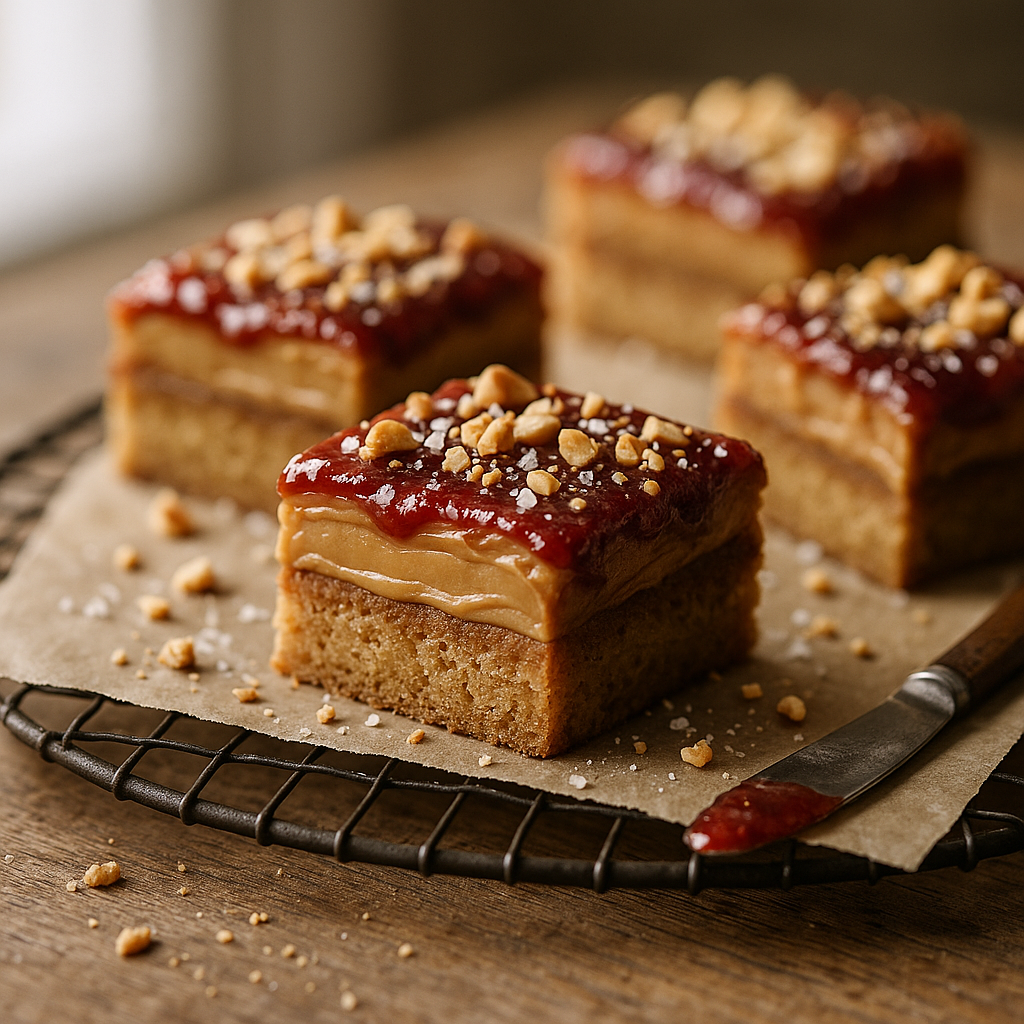
Spread it in a thin, even layer over the cooled crust. Too thick, and it overwhelms the jam. Too thin, and the flavor disappears. Aim for about 1/3 cup per 9×13 pan. Blend it with a touch of honey for sweetness, if you like. But keep it subtle. The jam should still shine. This filling pairs wonderfully with our breakfast pancakes for a sweet morning treat.
Assembly & Baking: Layering, Timing, and Avoiding Common Mistakes
How to Layer Without Sinking or Sliding
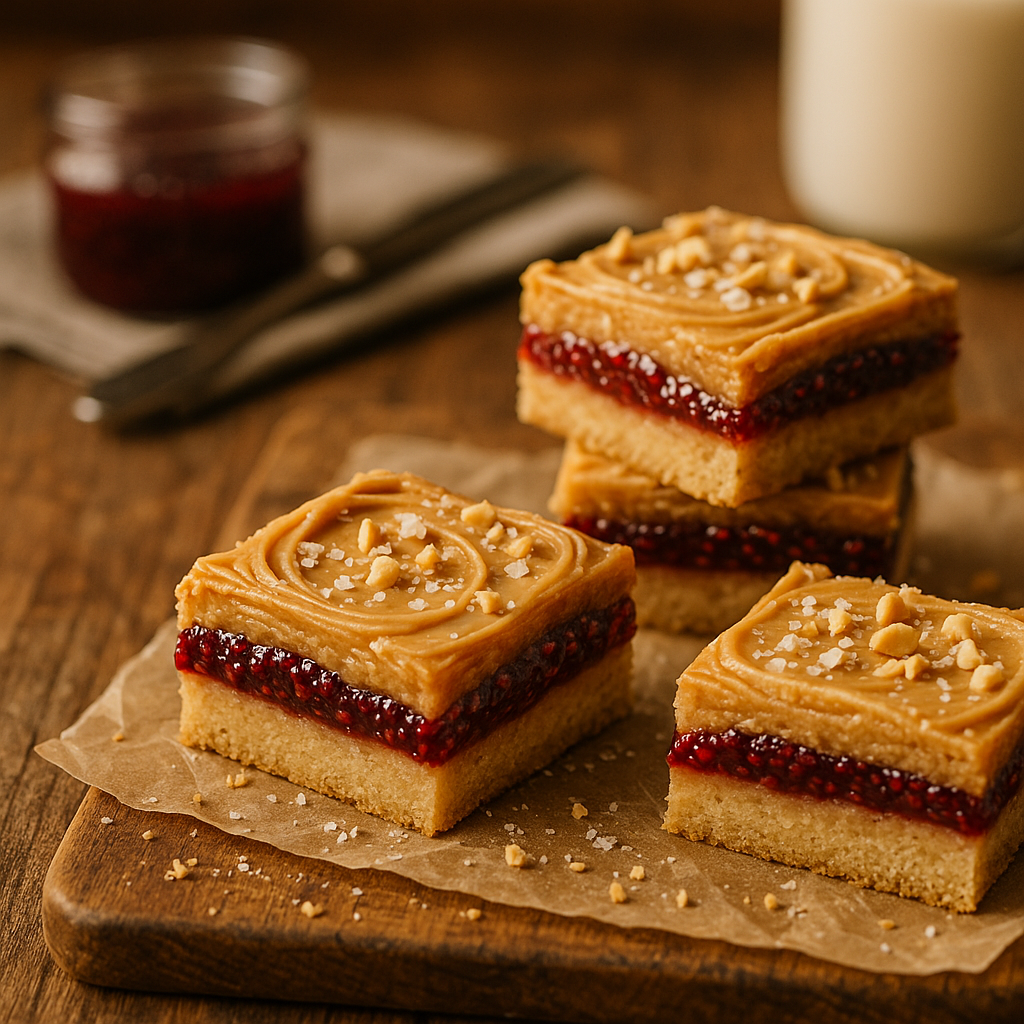
Layering is where most people fail. You pour the peanut butter over the crust. Then dump the jam on top. The result? A muddy mess. Here’s the fix: Let the crust bake and cool completely. That’s step one. Then, spread the peanut butter evenly with a spatula. Use the back of a spoon to smooth it.
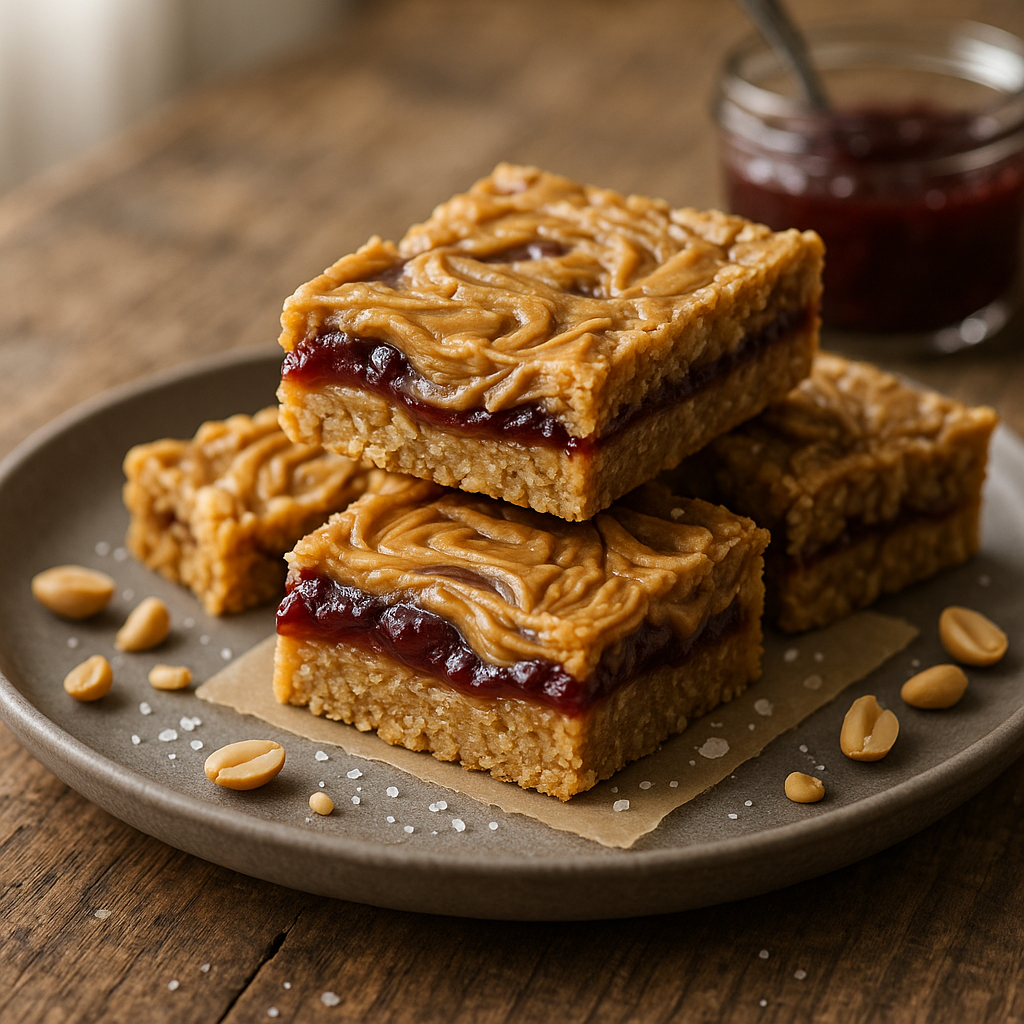
Don’t press down. You want it to sit on top, not sink in. Now, spoon the cooled jam over the peanut butter in dollops. Don’t pour it. Dotting prevents it from spreading too fast. Gently swirl it with a knife—just three or four passes. You want marbling, not blending. If you mix too much, you lose the contrast. That’s the whole point. The jam should remain distinct. It should peek through the peanut butter like stained glass. I’ve seen people use a mixer to combine the layers.
Don’t. That’s not a bar. That’s a peanut butter jam cake. Keep it simple. Keep it layered. The visual contrast is part of the charm. Once assembled, chill the pan for 20 minutes. That sets the filling. It prevents shifting during baking. Then, bake at 350°F for 25 to 30 minutes. The edges should turn golden. The center should look set but still slightly soft. It firms up as it cools.
Baking Temperatures and Timing for Even Results
Ovens vary. Always preheat for at least 20 minutes. Use an oven thermometer. Many ovens are off by 25 degrees. That’s enough to ruin a batch. Bake in the center rack. Don’t use convection unless you reduce the temperature by 25°F.
Convection dries out the crust too fast. You want a tender interior with a crisp edge. The bars are done when the top is golden brown and a toothpick inserted near the center comes out clean. If the edges brown too fast, cover them with foil. That happens in glass pans. Metal pans distribute heat more evenly.
I prefer aluminum. They bake faster, and the crust snaps perfectly. Bake time depends on your pan size. A 9×13 pan takes 28 minutes. An 8×8 pan takes 35. Always check at 25 minutes. Let the bars cool completely on a wire rack.
That’s 3 full hours. Cutting while warm? You’ll get a mess. The filling needs time to set. Patience here makes all the difference. Once cool, chill for an hour. That makes slicing cleaner. These bars keep beautifully in the fridge. They’re perfect for meal prep. For more quick baking ideas, check our breakfast recipes section.
Variations, Storage, and Serving Tips for Gourmet Peanut Butter & Jelly Bars
Creative Twists: Nut Swaps, Glazes, and Dietary Options
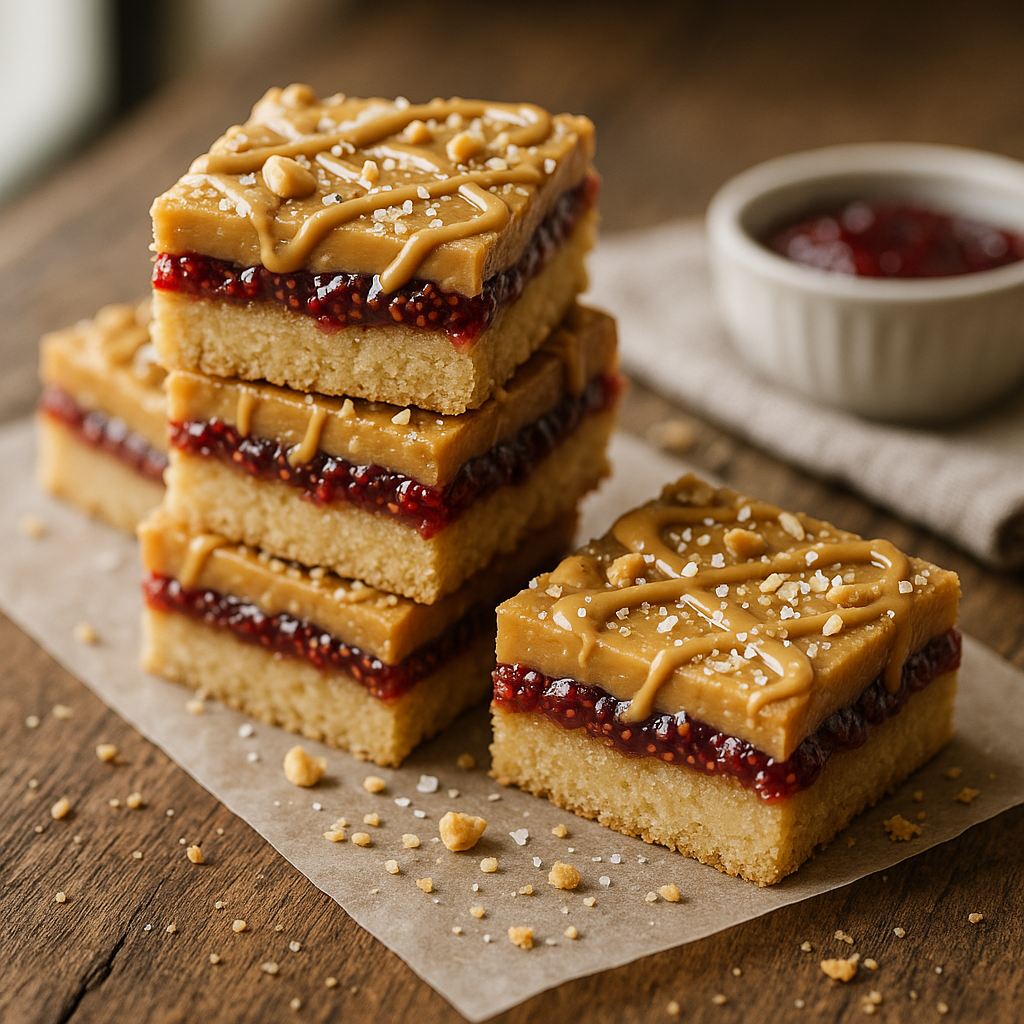
You can easily adapt these bars. Swap peanut butter for almond butter, cashew butter, or sunflower seed butter. Sunflower seed butter works great for nut-free diets. Use dark chocolate drizzle on top after baking. Melt 1/2 cup of dark chocolate, swirl it over the cooled bars. It adds elegance.
Sprinkle flaky sea salt on top after the chocolate sets. That’s a chef’s secret. For a crunchy texture, add chopped toasted pecans or walnuts between the layers. Or sprinkle them on top before baking. Try adding a layer of melted white chocolate under the jam. It creates a barrier that prevents sogginess. For gluten-free, use a 1:1 gluten-free flour blend.
I’ve tested Bob’s Red Mill—it works perfectly. For vegan, use plant-based butter and maple syrup instead of honey. Skip the egg wash. These bars are naturally egg-free. Add a dash of cinnamon to the crust for warmth. Or mix in orange zest with the jam. It brightens everything.
Experiment. This recipe is forgiving. It’s meant to be personalized. I’ve had readers send me photos of their versions—turmeric-spiced peanut butter, lavender jam, even matcha crust. Each one is beautiful. Share yours on Instagram. Tag us @sofyarecipes.
How to Store, Freeze, and Serve for Maximum Freshness
Store these bars in an airtight container at room temperature for up to 3 days. The crust stays crisp. If it’s humid, keep them in the fridge. They’ll last 5 days there. Freeze them for up to 3 months. Wrap each bar individually in parchment paper, then place in a freezer bag. Thaw at room temperature for 2 hours.
They taste fresh after freezing. Don’t microwave them. That makes the crust soggy. Serve at room temperature. Cold bars lose their texture. Let them sit out for 30 minutes before serving. Pair them with a glass of cold milk, a cup of coffee, or a scoop of vanilla ice cream. The contrast of warm crust and cool ice cream? Unbeatable. For a picnic, pack them in a small tin.
They don’t melt or crumble. These bars travel well. They’re ideal for potlucks, school lunches, or afternoon snacks. I’ve given them as gifts wrapped in parchment paper tied with twine. People always ask for the recipe. And they should. Because these aren’t just bars. They’re a memory made edible. Try our cake recipes for more crowd-pleasing treats.
Frequently Asked Questions
Can I make gourmet peanut butter & jelly bars ahead of time?
Yes, you can make gourmet peanut butter & jelly bars up to 3 days ahead. Store them in an airtight container at room temperature. For longer storage, freeze them unwrapped for 2 hours, then wrap individually. Thaw at room temperature before serving. The crust stays crisp and the filling holds its shape perfectly.
Why do my gourmet peanut butter & jelly bars turn out too soft in the center?
Soft centers usually mean the bars weren’t baked long enough or cooled too quickly. Bake until the edges are golden and the center looks set. Let them cool completely on a wire rack. Cutting too soon causes the filling to stay runny. Patience is key.
What are the best jam alternatives for gourmet peanut butter & jelly bars?
Raspberry, strawberry, and blackberry jam work best. For a twist, try apricot, fig, or even blueberry. Avoid low-sugar jams—they don’t set well. Homemade jam gives the cleanest flavor. If using store-bought, choose brands with fruit as the first ingredient. No high-fructose corn syrup.
How can I prevent the crust from getting soggy in gourmet peanut butter & jelly bars?
Let the baked crust cool completely before adding the filling. Spread a thin layer of melted chocolate or almond butter over the crust as a moisture barrier. Also, ensure your jam is fully cooled. Warm jam releases steam and softens the crust. These steps keep the bottom crisp and delicious.
Conclusion :
These gourmet peanut butter and jelly bars are more than just a dessert. They bring together rich textures, nostalgic flavors, and simple technique. You don’t need special tools or fancy ingredients to make something memorable. All it takes is quality butter, real fruit preserves, and a little time. Bake the bars slowly so the flavors fully develop. Let them cool before slicing for the perfect clean edge.
These bars are meant to be shared. Wrap up a few for a friend, serve them after dinner, or enjoy one as an afternoon pick-me-up. They’re the kind of homemade treat that turns any moment into something comforting. If you try this recipe, show us how it turned out. Snap a photo and tag @sofyarecipes. Your kitchen doesn’t have to be perfect. It just has to be yours.
Every batch is a reminder that the best baking comes from care, not perfection. These peanut butter and jelly bars aren’t just sweet. They’re warm, familiar, and made for sharing. That’s the real joy behind every bite.