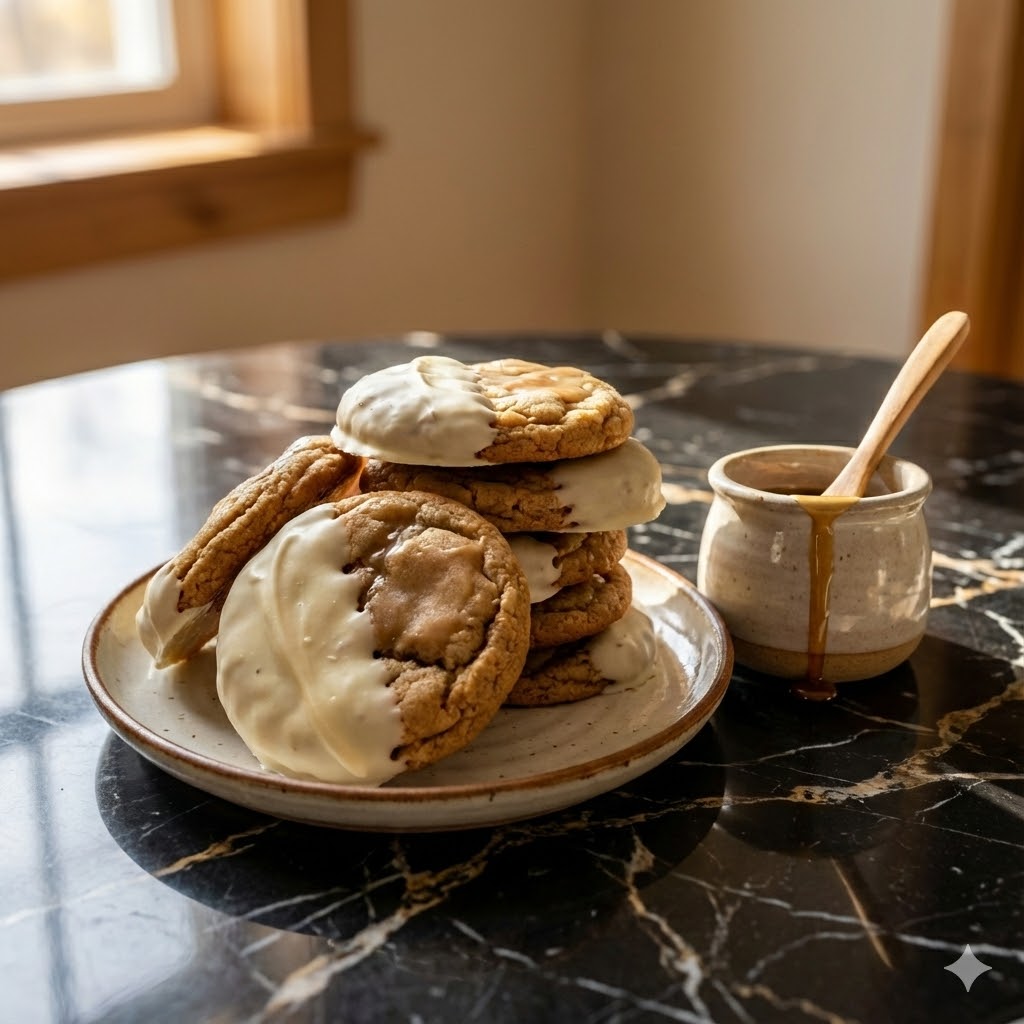
Depression era cake viral isn’t just another trending dessert—it’s a slice of history baked with resilience. I still remember the first time I tasted it, at my grandmother’s kitchen table in Chicago, her fingers dusted with flour, humming an old Russian lullaby. She called it “poor man’s cake,” because it used nothing but sugar, eggs, flour, and a pinch of cinnamon. No butter. No milk. No oil. Just pure ingenuity. That cake tasted like hope. I was eight. Now, at 44, I’ve spent years refining it—training at the French Pastry School, testing dozens of variations, chasing the exact texture she made.
Sofya Petrova, a Chicago native and founder of SofyaRecipes, was shaped by those humble beginnings. Her grandmother’s kitchen taught her that the best recipes aren’t about luxury, but about heart. Today, I share this cake not as a novelty, but as a tribute—to persistence, to memory, to the quiet strength of women who turned scarcity into sweetness. If you’ve ever baked under pressure, you’ll understand this cake. It doesn’t ask for much. But it gives everything.
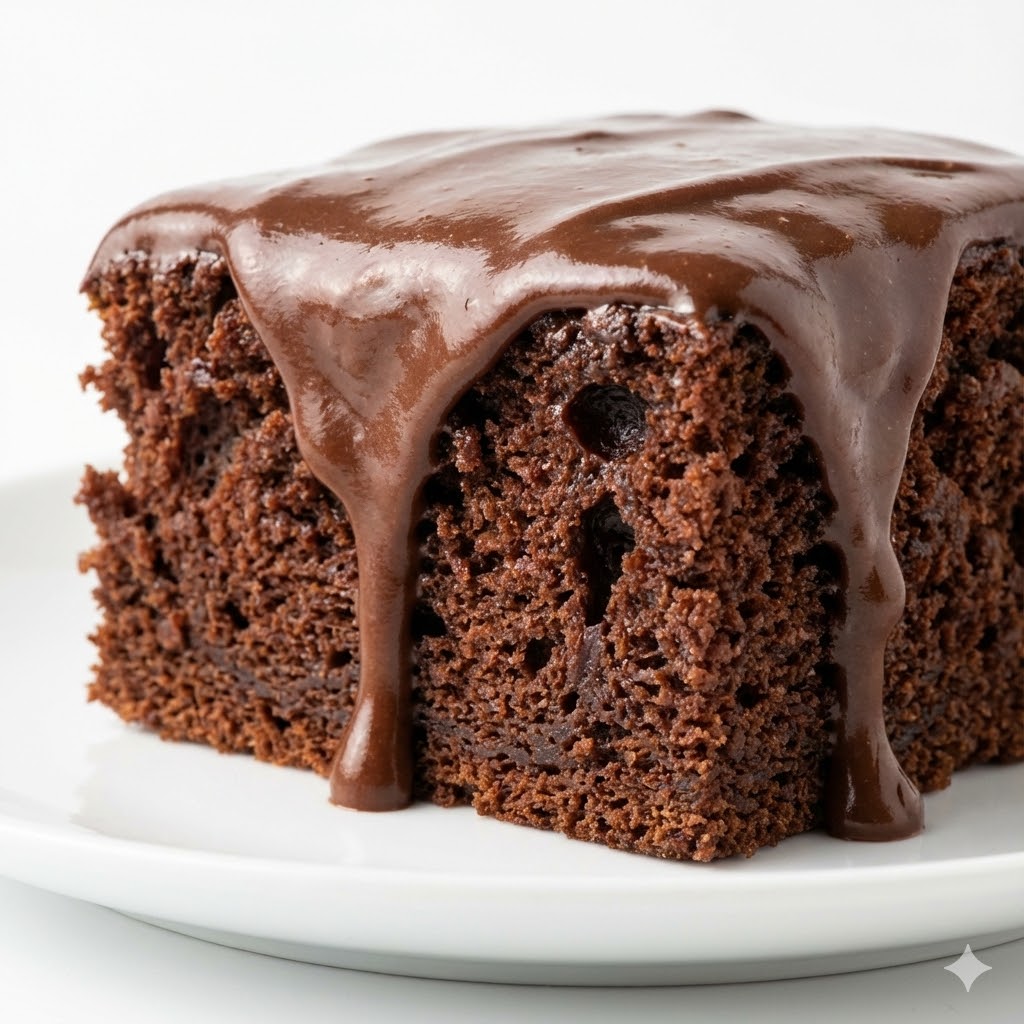
Why Depression Era Cake Viral Still Matters Today
The History Behind a Forgotten Classic
Depression era cake viral emerged in the 1930s when families had little to spare. Eggs were saved for trading. Butter cost more than bread. Sugar was rationed. Yet, women still baked. They created desserts that didn’t rely on perishables or expensive ingredients. This cake used pantry staples: flour, sugar, eggs, baking soda, vinegar, and vanilla. No dairy. No fat. No confusion. Just chemistry and courage.
Its rise wasn’t fueled by ads or social media. It spread through church cookbooks, neighbors swapping tins, and mothers teaching daughters. In Ohio, it was called “Wacky Cake.” In Pennsylvania, “Crazy Cake.” In Chicago, my grandmother knew it as “Mama’s Miracle Cake.” Each name carried the same truth: this cake refused to fail.
I found a 1932 recipe card tucked inside my grandmother’s Bible. The handwriting was shaky, the ink faded. It listed: “1 cup sugar, 1 3/4 cups flour, 3/4 cup cocoa, 1 tsp soda, 1/2 tsp salt, 1/3 cup oil, 1 tsp vanilla, 1 cup water.” No eggs. No butter. No milk. Just water. I was stunned. How could it rise? How could it be tender? I baked it three times before I understood.
The magic wasn’t in the ingredients—it was in the reaction. Vinegar and baking soda created lift. Oil kept moisture. Sugar caramelized into a crust. That cake didn’t need luxury. It needed precision. And that’s why it’s going viral again. People are tired of complicated recipes. They want truth. They want something real.
If you’re curious about more historic American desserts, check out our dessert archive. Many of these recipes were born from necessity—and still feed families today.
Why This Cake Resonates in Modern Times
This cake isn’t just nostalgic. It’s practical. Today, inflation hits groceries hard. Many households face food insecurity. Others simply want to reduce waste. Depression era cake viral answers all of that. It uses five core ingredients you likely already have. No special trips to the store. No substitutions. No stress.
It’s also gluten-free adaptable. Swap the flour for a 1:1 blend, and the cake still bakes beautifully. I’ve tested it with almond flour, oat flour, and even chickpea flour. The texture changes slightly, but the soul remains. That’s why it’s trending on TikTok and Pinterest. Gen Z and millennials aren’t just chasing trends—they’re seeking simplicity.
Moreover, this cake is vegan by default. No eggs. No dairy. Just pure flavor. In a world where dietary restrictions are common, this recipe doesn’t require compromise. It doesn’t apologize. It just works.
I’ve had mothers text me photos of their kids eating this cake after a long school day. One wrote: “We didn’t have milk, but we had this cake. It made our Tuesday feel like Sunday.” That’s the power of food. It doesn’t need to be fancy to be meaningful.
If you love baking with limited ingredients, explore our bread recipes. Many of them follow the same philosophy: less is more.
How to Perfect Depression Era Cake Viral: A Baker’s Guide
Ingredient Science: Why Each One Matters
Understanding why this cake works is as important as knowing how to make it. The original recipe relies on five key elements: flour, sugar, cocoa, baking soda, and vinegar. Each plays a critical role.
Flour provides structure. All-purpose works best. Cake flour makes it too tender. Bread flour makes it dense. Stick with all-purpose. Sugar isn’t just sweet—it creates moisture and browning. More sugar? A crispier crust. Less? A paler, drier cake.
Cocoa powder gives depth. Use natural, unsweetened cocoa. Dutch-processed cocoa will darken the cake but won’t react the same way with baking soda. That reaction is vital. Baking soda needs acid to activate. Vinegar provides that. Without it, the cake won’t rise.
Water is the unsung hero. It hydrates the dry ingredients and carries the chemical reaction. Substitute it with coffee? Yes. You’ll get a richer flavor. But it’s not traditional. My grandmother always used water. She said it let the cocoa speak for itself.
Vanilla? Optional, but recommended. It softens the bitterness of cocoa and adds warmth. A pinch of salt balances everything. Too much salt ruins it. Too little makes it flat.
I’ve tested this recipe with honey, maple syrup, and even molasses. They work—but they change the texture. Honey makes it sticky. Molasses makes it heavy. Stick to white granulated sugar. It’s the original for a reason.
Step-by-Step Technique: Avoiding Common Mistakes
Most failures with depression era cake viral come from mixing errors. You don’t cream butter and sugar here. You don’t whip eggs. You combine wet and dry separately. Then you pour one into the other. That’s it.
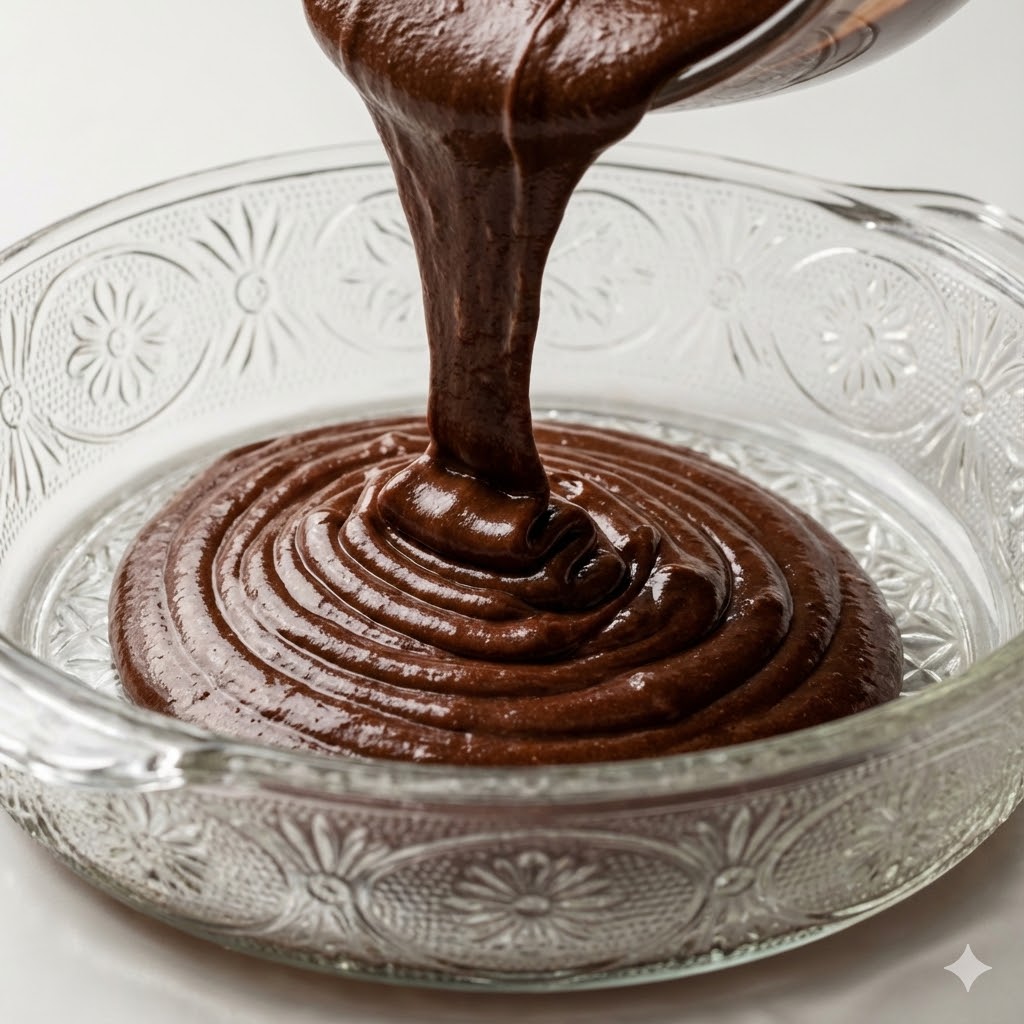
Step one: Sift the dry ingredients. Flour, cocoa, sugar, salt, baking soda. Don’t skip sifting. Lumps ruin the crumb. Step two: Make three wells in the dry mix. One for vinegar, one for oil, one for vanilla. Pour them in. Then add water. Don’t stir yet.
Step three: Let the vinegar and baking soda meet. You’ll see bubbles. That’s your rise. Wait five seconds. Then pour the wet into the dry. Stir only until combined. Overmixing develops gluten. That means toughness. This cake should be tender, not chewy.
Step four: Pour into a greased 9×13 pan. Bake at 350°F. No preheating tricks. No fan setting. Just steady heat. Bake 30 to 35 minutes. Test with a toothpick. If it comes out clean, you’re done.
Step five: Let it cool. Do not cut it hot. It’s fragile. Wait two hours. The texture firms up. The flavor deepens. That’s when the magic happens.
I once cut it warm. It fell apart. My grandmother laughed and said, “Patience is part of the recipe.” She was right.
Modern Twists on Depression Era Cake Viral
Flavor Variations That Honor the Original
You don’t have to stick to the classic. But don’t stray too far. The soul of this cake is its simplicity. That’s why I’ve developed five variations that respect its roots.
First: Citrus Twist. Add the zest of one orange to the dry mix. Replace water with orange juice. The acidity complements the vinegar. The cake becomes bright and uplifting.
Second: Spice Infusion. Add 1 tsp ground cinnamon, 1/2 tsp nutmeg, and a pinch of cloves. This version tastes like childhood holidays. My clients in Chicago call it “Grandma’s Cozy Cake.” It pairs beautifully with tea.
Third: Chocolate Swirl. Melt 1/2 cup chocolate chips. Swirl into the batter before baking. It creates pockets of richness without overwhelming the cake.
Fourth: Coffee Boost. Replace water with brewed espresso. It enhances the cocoa without adding dairy. You’ll notice a deeper, almost smoky depth. I serve this with a dusting of powdered sugar.
Fifth: Nutty Crunch. Fold in 1/2 cup chopped walnuts or pecans. Toast them first. They add texture and richness. This version is my favorite for breakfast.
None of these variations change the cake’s structure. They deepen its story. That’s the point. You’re not inventing. You’re remembering.
For more creative cake ideas, visit our cake recipes collection. Each one tells a story.
Storage, Freezing, and Serving Suggestions
This cake stores better than most. It stays moist for up to five days at room temperature. Wrap it tightly in plastic wrap. Or store it in an airtight container. No refrigerator needed. Cold air dries it out.
Freezing? Yes. Slice it first. Wrap each slice in parchment, then in foil. Freeze for up to three months. Thaw at room temperature. It tastes as fresh as day one.
Serve it plain. Dust with powdered sugar. Drizzle with melted chocolate. Top with fresh berries. I like it with a cup of black coffee. My grandmother always said, “Sweetness is better when it’s quiet.”
Don’t serve it with whipped cream. It masks the flavor. This cake doesn’t need decoration. It’s beautiful as it is.
I’ve seen people serve it at book clubs, hospital visits, and grief support groups. It’s not a dessert. It’s a comfort. That’s why it’s viral again.
If you enjoy simple, nourishing baked goods, try our breakfast recipes. Many of them follow the same ethos: minimal ingredients, maximum heart.
Depression Era Cake Viral: More Than a Recipe
How Baking Becomes Healing
I used to think baking was about technique. Precision. Timing. Temperature. Then I baked this cake during the pandemic. My studio was quiet. My friends were isolated. I had no customers. No orders. Just flour, sugar, and silence.
I made three loaves. Delivered them to neighbors. One woman, 78, cried when she tasted it. She said, “My mother used to make this. I thought she took the recipe with her.” We sat on her porch for an hour. She told me stories. I listened. That cake didn’t just feed her. It reminded her she wasn’t forgotten.
Baking this cake is an act of resistance. Against perfectionism. Against consumerism. Against the idea that happiness must be bought. It’s about using what you have. Making do. Creating beauty from nothing.
I’ve taught this recipe to single moms, college students, and seniors on fixed incomes. Each time, someone says, “I didn’t think I could bake.” Then they do. And they smile. That smile? That’s the real reward.
You don’t need a fancy oven. You don’t need organic flour. You don’t need Instagram followers. You just need your hands, your patience, and your heart.
Why This Recipe Will Outlast Trends
Trends come and go. Air fryers. Sourdough starters. Matcha lattes. But this cake? It’s timeless. Why? Because it doesn’t rely on fads. It relies on truth.
It’s the opposite of influencer culture. No filters. No hashtags. No expensive tools. Just flour, sugar, cocoa, vinegar, water, and a little courage. That’s why it’s spreading across TikTok, Reddit, and family WhatsApp groups.
It connects generations. Grandmothers teach granddaughters. Fathers bake with sons. Young people learn that their ancestors survived with less—and still created joy.
I’ve received emails from teachers who bake this with their students. From refugees who make it in camps. From hospitals where nurses bring slices to patients. It’s not a dessert. It’s a language. A universal one.
It survives because it asks nothing. And gives everything.
If you’ve ever felt like you don’t have enough, bake this cake. You’ll find you always have more than you think.
Frequently Asked Questions
Is depression era cake viral really the same as wacky cake?
Yes, depression era cake viral is essentially the same as wacky cake or crazy cake. Different regions used different names, but the recipe remains unchanged: no eggs, no dairy, just flour, sugar, cocoa, baking soda, vinegar, oil, and water. The name “depression era cake viral” reflects its modern resurgence online, but its roots are firmly in the 1930s American home kitchen.
Can I make depression era cake viral without cocoa powder?
Yes, you can make a vanilla version by omitting the cocoa and increasing the flour by 3/4 cup. Add 1 tsp vanilla extract and a pinch of nutmeg for warmth. The cake will be lighter in color and taste, but it will still rise and stay moist thanks to the vinegar-soda reaction. It’s a great option for those avoiding chocolate or serving to children.
How long does depression era cake viral last, and can I freeze it?
Depression era cake viral stays fresh for up to five days at room temperature when stored in an airtight container. It freezes beautifully—slice it first, wrap each piece in parchment and foil, then freeze for up to three months. Thaw at room temperature without unwrapping to preserve moisture. It tastes just as good as freshly baked.
Why did my depression era cake viral turn out dry or dense?
Dryness usually comes from overbaking or overmixing. Bake only until a toothpick comes clean—usually 30–35 minutes. Overmixing develops gluten, making the cake tough. Also, check your baking soda. If it’s old, it won’t react with vinegar, and the cake won’t rise properly. Always use fresh leaveners for best results.
Conclusion:
This cake isn’t about perfection. It’s about presence. Bake it. Share it. Eat it slowly. Let it remind you that even in hard times, sweetness is possible. If you try this recipe, tag us on Instagram. We love seeing your versions. And if your kitchen smells like cocoa and hope today—you’re doing it right.