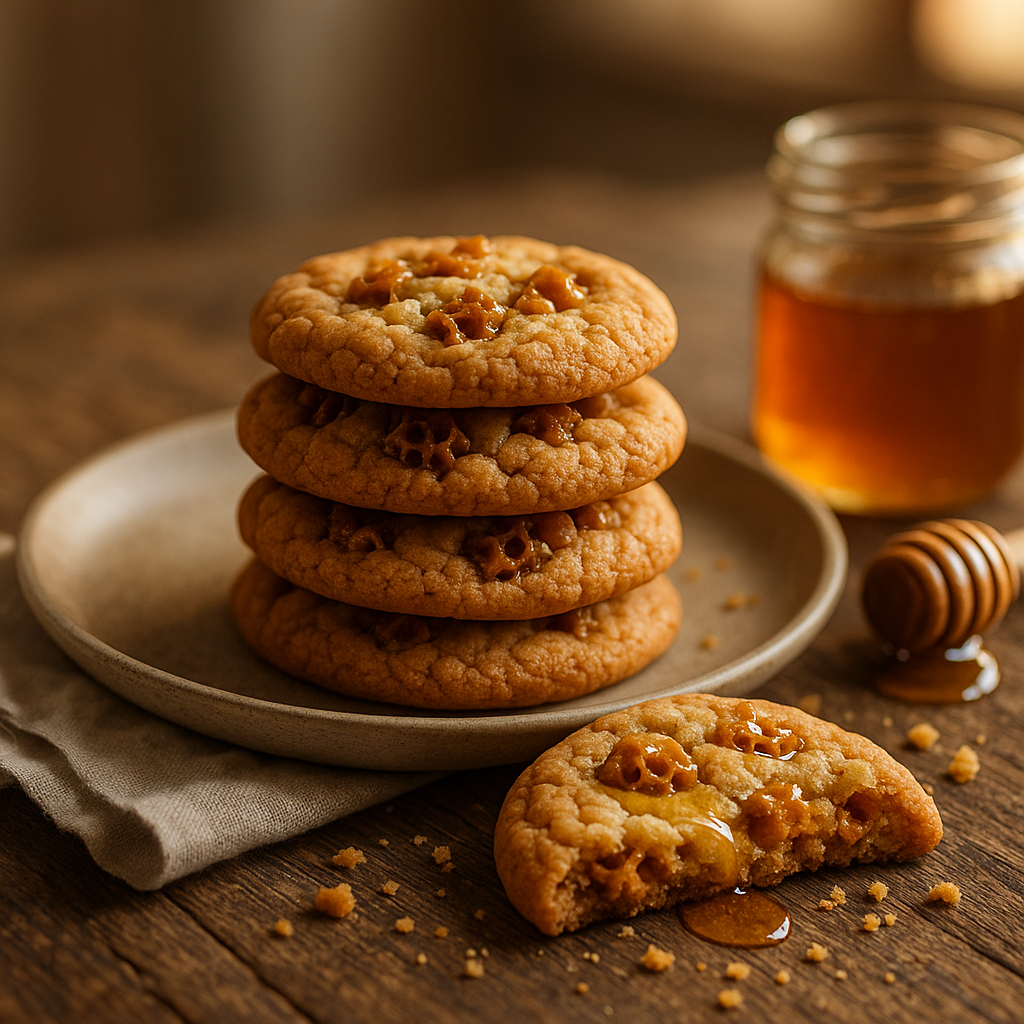

Honeycomb crunch cookies are more than just a sweet snack—they’re a memory wrapped in sugar and brittle caramel. I still remember the first time my grandmother in Chicago pulled a tray of these from the oven, the kitchen smelling like molten toffee and toasted butter. She didn’t call them honeycomb crunch cookies; she called them “zakuski s khryostyom”—snacks with crunch. That crunch, that delicate shatter between your teeth—it’s what drew me into baking.
I was seven. By sixteen, I was testing variations every weekend. Now, at 44, I run SofyaRecipes, a platform built on the belief that great baking is equal parts science and soul. Trained at the French Pastry School, I specialize in laminated doughs, but honeycomb crunch cookies remain my emotional anchor. They taught me patience, precision, and that even the smallest mistake—overheating the sugar, skipping the baking soda—can change everything. These cookies aren’t just delicious. They’re a lesson in persistence.
Why Honeycomb Crunch Cookies Work: The Science Behind the Crunch
The Magic of Sugar and Baking Soda
The secret to honeycomb crunch cookies isn’t the butter, the flour, or even the vanilla. It’s the sugar. When you heat granulated sugar with a little water, it melts into a syrup. Around 300°F, it enters the hard-ball stage. That’s when it transforms from sticky liquid to brittle glass. Add baking soda, and the reaction begins. The soda releases carbon dioxide gas, which gets trapped in the hot syrup. Those tiny bubbles expand, creating the honeycomb structure inside the cookie. Without baking soda, you’d get caramel, not crunch.
The temperature matters. If the sugar doesn’t reach 300°F, the structure won’t set. Too hot, and it burns. That’s why a candy thermometer isn’t optional here. I learned this the hard way during my first attempt at the French Pastry School. My batch turned dark and bitter. My instructor said, “Baking is listening. The sugar sings when it’s ready.”
Why Butter and Flour Combine Perfectly
The base of these cookies is a shortbread-style dough. It’s simple: butter, sugar, flour, salt. But the technique is everything. Cold butter cuts into the flour until it resembles wet sand. That creates layers. When baked, those layers puff slightly, giving the cookie structure without toughness. I use European-style butter with 82% fat—it adds richness without overwhelming the caramel.
The flour? All-purpose works fine, but I prefer King Arthur for its consistent protein level. Too much gluten development, and the cookie turns chewy instead of crisp. Mix the dough just until the flour disappears. Overmixing is the silent killer of texture. That’s why I always tell students: if your hands feel the dough too much, stop. Let the ingredients do the work.
For a deeper flavor, try substituting 1 tablespoon of brown sugar. It adds molasses notes that complement the caramel without making the cookie heavy. But don’t go beyond that. The honeycomb crunch needs to shine.
If you love baking with balance, explore our breakfast recipes for more texture-focused treats. Or, if you’re curious about caramel techniques, our best caramel drops recipe breaks down the same science in dessert form.
How to Make Honeycomb Crunch Cookies: Step-by-Step Precision
Preparing the Caramel Base Correctly
Start with a heavy-bottomed saucepan. Nonstick won’t work here. You need even heat distribution. Combine 1 cup granulated sugar and 1/4 cup water. Stir gently just until the sugar is soaked. Then, stop stirring. Let it boil. Watch the color change from clear to pale gold to amber. This takes 8 to 10 minutes. No rushing.
While the sugar heats, whisk together 1 teaspoon baking soda and 1 tablespoon hot water. Pour it into a small cup. When the sugar hits 300°F, remove the pan from heat. Immediately add the baking soda mixture. It will foam violently. That’s normal. Swirl the pan—not stir—to distribute it evenly. The caramel will lighten and puff. This is the moment the honeycomb forms.
Work fast. The mixture begins to harden in 30 seconds. Pour it onto a parchment-lined baking sheet. Spread it thinly with a greased spatula. Let it cool completely. You’ll hear it crack when you tap it. That’s your cue.
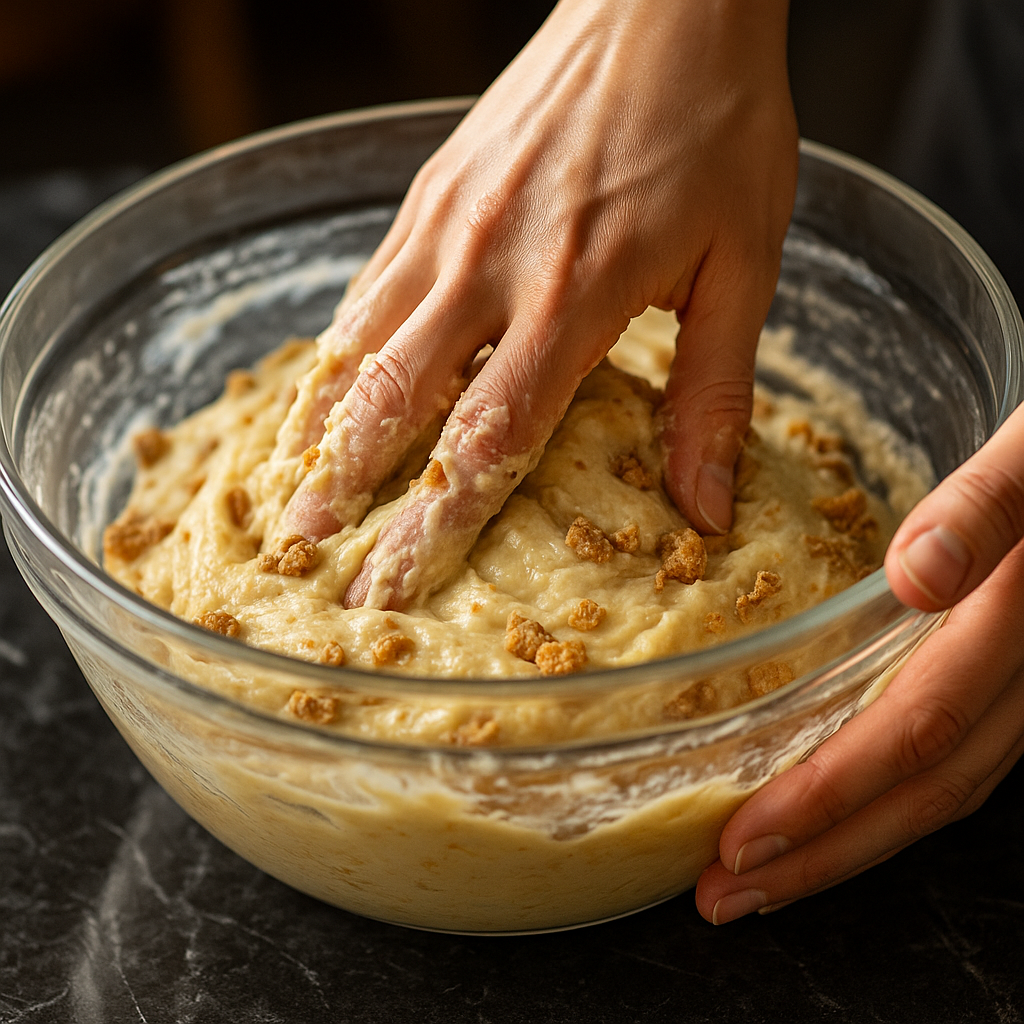
I break the cooled caramel into chunks by hand. It’s messy, but it gives each cookie a unique texture. Some pieces are thin and lace-like. Others are dense and chewy. That’s intentional. Uniformity kills character in baking.
Building the Cookie Dough and Combining Components
While the caramel cools, make the cookie dough. Cream 3/4 cup softened butter with 1/2 cup granulated sugar and 1/4 cup brown sugar until light. Add 1 egg and 1 teaspoon vanilla. Mix just until combined. Sift in 1 3/4 cups flour and 1/2 teaspoon salt. Fold gently. Chill the dough for 30 minutes. This prevents spreading.
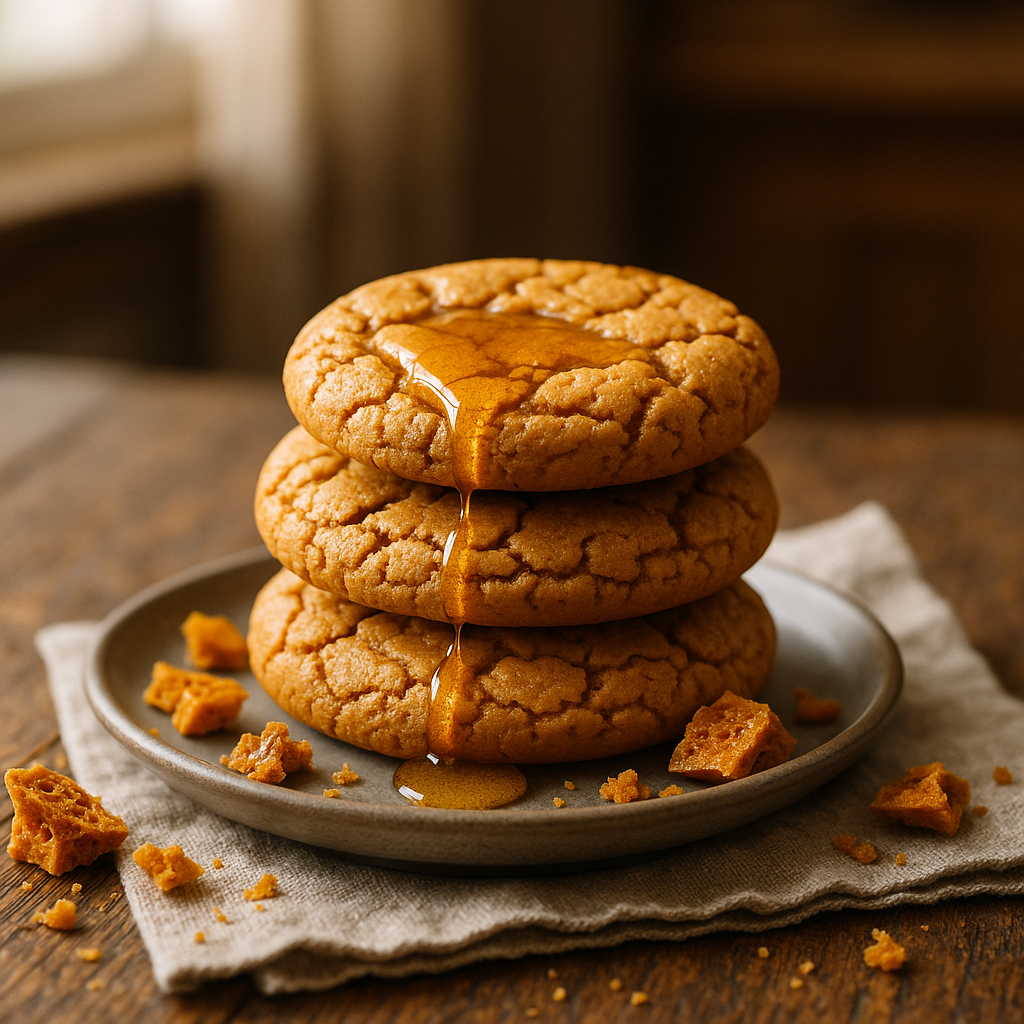
Preheat your oven to 350°F. Roll the dough into 1-inch balls. Flatten slightly. Place one caramel chunk in the center. Fold the dough around it, sealing it like a tiny package. Place on a baking sheet lined with parchment. Bake for 10 to 12 minutes. The edges should be golden. The center should look soft. Let them rest on the tray for 5 minutes before transferring. They firm up as they cool.
The trick is timing. Too long, and you lose the crunch. Too short, and the caramel melts through. I test one cookie first. If the center holds its shape, the rest are ready.
For a twist, try adding a pinch of sea salt on top before baking. Or dip the cooled cookies in melted dark chocolate. Our dark chocolate dipped cookies guide shows how to temper chocolate cleanly—no greasy streaks.

Common Mistakes and How to Fix Them in Honeycomb Crunch Cookies
Why Your Caramel Won’t Crisp Up
If your caramel turns gummy instead of crunchy, the sugar didn’t reach the right temperature. Humidity is another culprit. On rainy days, sugar absorbs moisture from the air. That’s why I never make these on high-humidity days. If you must, increase the oven temperature by 10°F during baking and let the cookies cool in a dry spot.
Another issue: stirring the sugar. Once the water dissolves, stop. Stirring introduces crystals. Those crystals grow and ruin the smooth texture. Use a wet pastry brush to wash down the sides of the pan if sugar sticks. That’s the only way to prevent recrystallization.
If your caramel is too dark, it’s burnt. Burnt sugar tastes bitter. It also hardens too fast, giving uneven crunch. Always stay near the stove. Set a timer for 8 minutes. Check every 30 seconds after that. The color should be like amber honey. Not dark brown.
Why the Cookies Spread Too Much
Too much butter? Too warm? Both cause spreading. I’ve seen students use melted butter thinking it’s easier. It’s not. Softened butter—cool to the touch—is ideal. If your kitchen is hot, chill the dough for 45 minutes instead of 30.
Flour measurement matters. Scooping the flour directly from the bag compacts it. You’ll add up to 25% more than intended. Always spoon flour into the measuring cup, then level it. For precision, weigh it: 210 grams per cup.
If your cookies spread anyway, reduce the butter by 1 tablespoon. Add 1 tablespoon of cornstarch. It stabilizes without changing flavor. I use this trick often when baking in summer.
You can also bake on a preheated baking sheet. Place it in the oven while preheating. The hot surface gives the dough an immediate set, preventing spread. It’s a professional trick used in French pâtisseries.
For more troubleshooting tips, check our desserts category. We cover over 30 common baking failures and how to fix them.

Variations, Storage, and Serving Ideas for Honeycomb Crunch Cookies
Global Twists and Flavor Additions
The base recipe is Russian-American. But I’ve tested global versions. Try adding 1/2 teaspoon ground cardamom to the dough. It’s a nod to Middle Eastern sweets like baklava. Or swap vanilla for orange zest and a splash of Grand Marnier. The citrus cuts the sweetness beautifully.
For a savory-sweet balance, sprinkle flaky sea salt on top after baking. Or roll the dough balls in crushed pistachios before baking. The nuts toast lightly and add crunch without competing.
I once made a matcha version for a tea salon in Kyoto. I replaced 1 tablespoon of flour with culinary-grade matcha powder. The earthy bitterness paired perfectly with the caramel. Don’t use green tea bags—it’s too bitter. Always use food-grade powder.
For holiday baking, melt white chocolate and drizzle it over cooled cookies. Add edible gold dust for a touch of elegance. Or dip half the cookie in dark chocolate and sprinkle with sea salt. These make stunning gifts. I package them in kraft boxes lined with parchment, tied with twine.
How to Store Honeycomb Crunch Cookies and Keep Them Crisp
These cookies are best eaten within 48 hours. The caramel softens over time. To keep them crisp, store them in an airtight container with a silica gel packet. Don’t refrigerate. Moisture makes them soggy.
If you must freeze them, freeze the dough balls before baking. Place them on a tray, freeze solid, then transfer to a bag. Bake straight from frozen. Add 1 to 2 extra minutes to the baking time. The caramel will still crackle.
Never store them with other cookies. The moisture from soft cookies will ruin the crunch. Keep them separate. I label my containers: “Crunch Only. No Sharing.”
For a dessert display, serve them with vanilla bean ice cream. The contrast of hot and cold, soft and hard, sweet and salty—it’s unforgettable. Or pair them with strong black tea. Our tea and bake pairing guide includes 12 perfect combinations.
If you love creative cookie pairings, explore our cake recipes. Many feature layered textures similar to honeycomb crunch cookies.
Frequently Asked Questions
Can I make honeycomb crunch cookies without a candy thermometer?
You can, but it’s risky. The sugar must reach exactly 300°F. Without a thermometer, test by dropping a small amount into cold water. If it forms a hard, brittle thread that snaps cleanly, it’s ready. If it’s still sticky, keep cooking. This method isn’t foolproof, so I recommend investing in a basic thermometer—it’s worth the cost.
Why are my honeycomb crunch cookies too sweet?
The caramel is naturally sweet, but the cookie dough balances it. If your cookies taste overwhelming, you may have added too much sugar to the dough or used overly dark caramel. Try reducing the granulated sugar in the dough to 1/3 cup and increase the salt to 3/4 teaspoon. The salt enhances flavor without adding sweetness.
Can I use honey instead of sugar for the honeycomb crunch?
No. Honey contains water and acids that prevent the sugar from crystallizing properly. It won’t form a brittle structure. You’ll get a sticky, chewy mess, not crunch. Stick with granulated white sugar for reliable results. If you want honey flavor, add 1 teaspoon of honey to the dough instead.
My caramel hardened too quickly in the pan. How do I avoid this?
Caramel hardens fast once it cools. Work quickly after adding the baking soda. Have your baking sheet ready with parchment, and grease your spatula ahead of time. If you’re slow, warm the pan slightly on low heat for 5 seconds to keep it fluid. Never leave the caramel unattended. Have everything prepped before you start heating the sugar.
Conclusion:
oneycomb crunch cookies are simple in ingredients but complex in technique. They reward patience and attention. Every crackle, every golden edge, every bite tells a story—of Russian kitchens, French training, and Chicago winters. Bake them slowly. Taste them mindfully. Share them generously. Try the recipe this weekend. Take a photo. Post it. Tag us. I read every one.
Print
Honeycomb Crunch Cookies: A Crispy, Sweet Treat with Russian Soul
- Total Time: 27 minutes
- Yield: 24 cookies 1x
- Diet: Vegetarian
Description
These Honeycomb Crunch Cookies are golden, crispy, and packed with bites of homemade honeycomb toffee. They blend sweet caramel notes with a light crunch, inspired by traditional Russian confections.
Ingredients
1 cup unsalted butter, softened
1 cup light brown sugar
1/2 cup granulated sugar
2 large eggs
2 tsp vanilla extract
2 3/4 cups all-purpose flour
1 tsp baking soda
1/2 tsp salt
1 1/2 cups honeycomb toffee, crushed (see note)
Instructions
1. Preheat oven to 350°F (175°C). Line baking sheets with parchment paper.
2. In a large bowl, cream together butter, brown sugar, and granulated sugar until fluffy.
3. Add eggs one at a time, then vanilla. Mix until well combined.
4. In another bowl, whisk together flour, baking soda, and salt.
5. Gradually add dry ingredients to wet mixture until just combined.
6. Fold in crushed honeycomb toffee carefully to avoid melting.
7. Scoop dough onto prepared sheets, spacing 2 inches apart.
8. Bake for 10–12 minutes or until edges are golden.
9. Cool on baking sheet for 5 minutes, then transfer to wire rack to cool completely.
Notes
Make honeycomb toffee by heating 1/4 cup honey, 1/2 cup sugar, and 2 tbsp water to 300°F, then whisk in 1 tsp baking soda. Spread on parchment and cool before crushing.
Cookies can be stored in an airtight container for up to 5 days.
- Prep Time: 15 minutes
- Cook Time: 12 minutes
- Category: Cookies
- Method: Baking
- Cuisine: Russian-American
Nutrition
- Serving Size: 1 cookie
- Calories: 210
- Sugar: 19g
- Sodium: 120mg
- Fat: 10g
- Saturated Fat: 6g
- Unsaturated Fat: 3g
- Trans Fat: 0g
- Carbohydrates: 29g
- Fiber: 0.5g
- Protein: 2g
- Cholesterol: 35mg