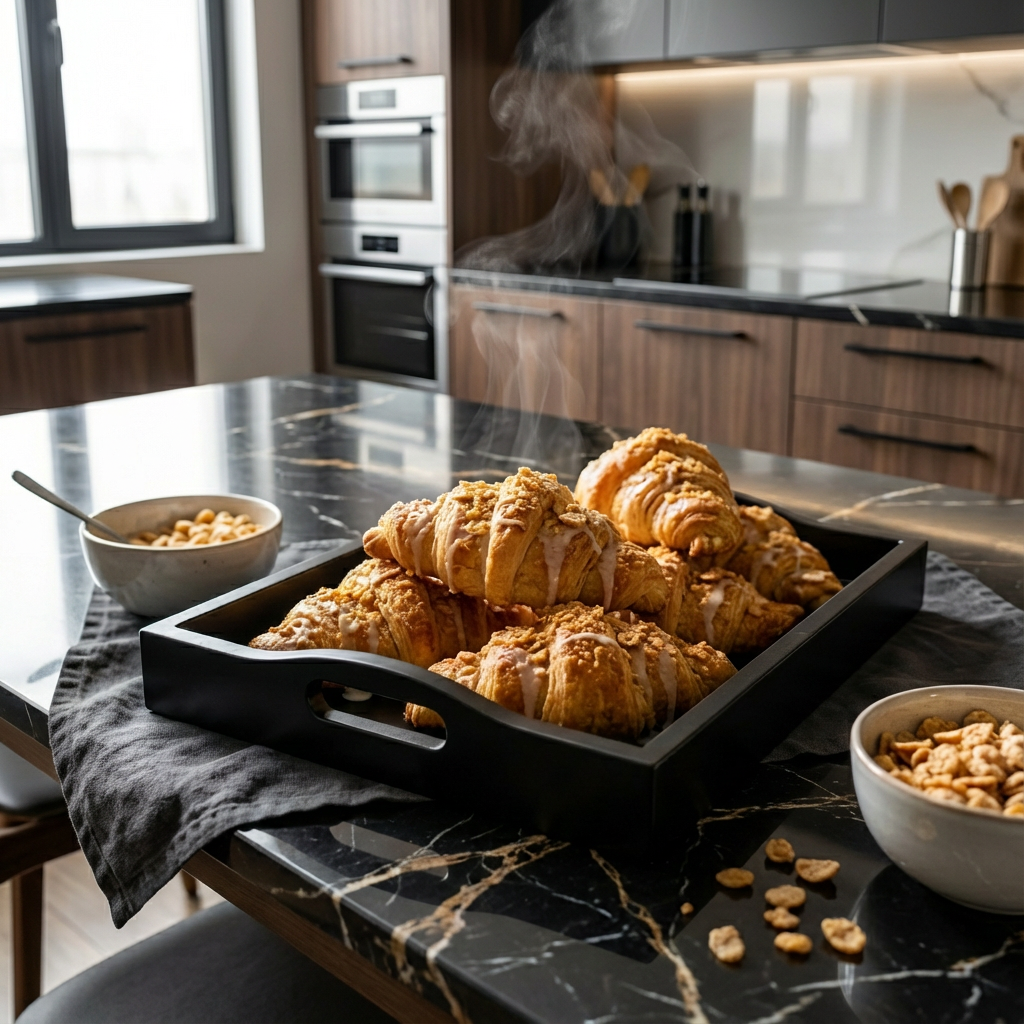

Cereal milk croissants are the delicious fusion of childhood nostalgia and pastry perfection. I still remember the first time I tasted them—sitting at my grandmother’s kitchen table in Chicago, crunching through a bowl of sweetened cereal while she rolled out dough for her famous butter croissants.
The milk at the bottom of my bowl tasted different—richer, sweeter, somehow more alive. That moment stuck with me. Years later, after training at the French Pastry School and spending countless nights testing laminated doughs, I realized: what if that cereal milk wasn’t just for drinking? What if it became the heart of the croissant itself? That’s how my cereal milk croissants were born.
Sofya Petrova, a 44-year-old Chicago native, is a passionate baker and founder of SofyaRecipes. Influenced by her Russian grandmother, she discovered her love for baking early and later trained at the French Pastry School. Specializing in laminated doughs, Sofya combines technical skill with creative flair, embracing both the science and emotion of baking.
Through her platform, she shares globally inspired, rigorously tested recipes aimed at making bold, nourishing flavors accessible to all. She champions persistence, learning through mistakes, and finding joy in every bake. These croissants aren’t just sweet—they’re a memory baked into buttery layers.
How to Make Cereal Milk Croissants from Scratch
The Science Behind Cereal Milk Infusion
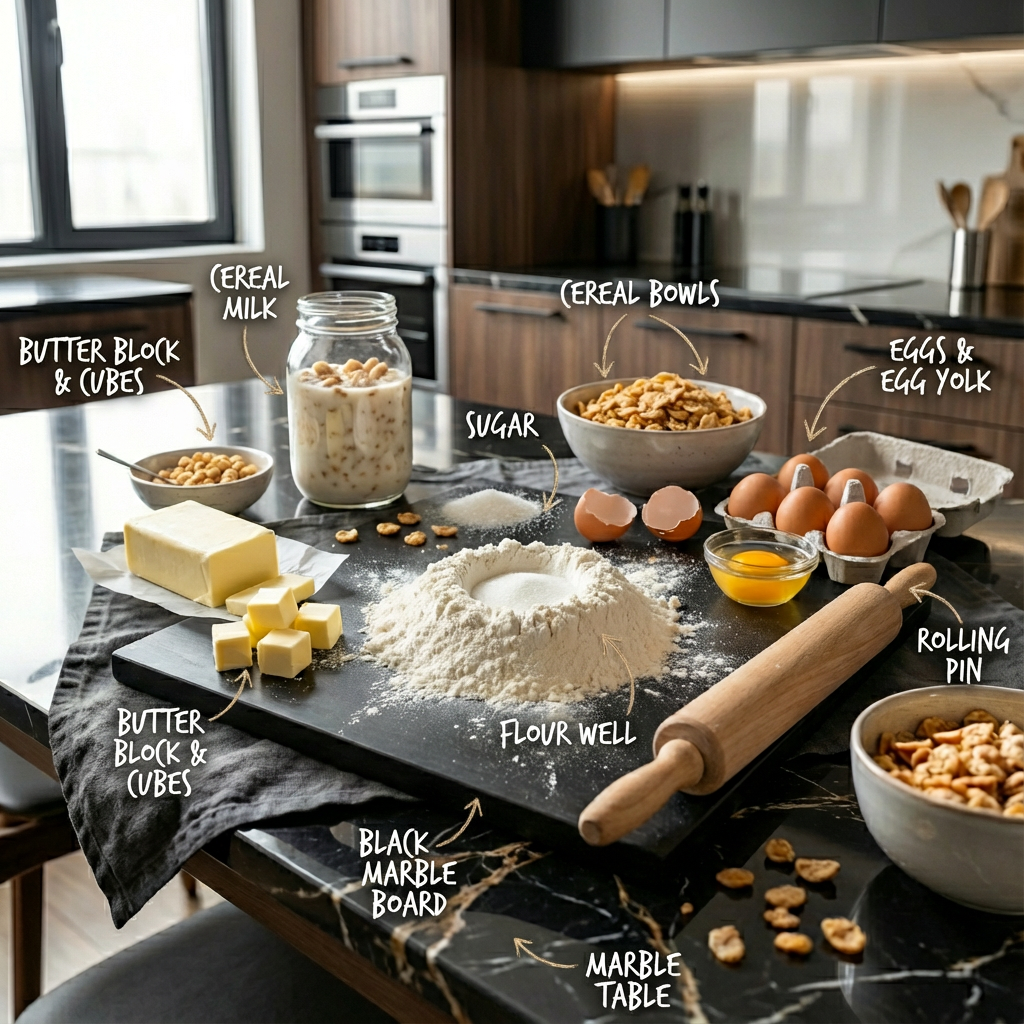
Cereal milk isn’t just leftover liquid—it’s a flavor powerhouse. When you soak cereal in cold milk, the starches break down slowly, releasing sugars, fats, and aromatic compounds. This process is called cold infusion, and it’s gentler than heat. Heat can destroy delicate flavors, but cold keeps them bright. I use corn flakes and rice krispies for their crisp texture and mild sweetness.
The corn flakes add a toasty note, while the rice krispies dissolve neatly, thickening the milk without making it gummy. You need at least four hours, but overnight is ideal. Stir the mixture once halfway through. This isn’t magic; it’s chemistry. The milk absorbs the cereal’s essence, turning into a creamy, golden liquid that becomes the backbone of your dough.
Building the Perfect Laminated Dough
Laminated dough is all about layers. Butter and flour should be at the same temperature—cool, not cold. If the butter is too hard, it will tear the dough. If it’s too soft, it will melt into the flour and ruin the layers. I use European-style butter with 82% fat. It holds its shape better and gives a richer flavor.
Start with a basic French bread dough: flour, water, salt, yeast, and a touch of sugar. Mix until smooth, then rest for 30 minutes. Roll it out into a rectangle. Place the chilled butter block in the center, fold the dough over it like an envelope. Chill for an hour. Repeat the rolling and folding process two more times, chilling between each. Each fold creates more layers. Three folds mean 81 layers.
That’s why your croissant flaky. After the final fold, chill the dough overnight. Patience is non-negotiable. Rushing this step leads to sticky dough and flat croissants. If you’re new to laminated dough, try our basic croissant guide first. It walks you through every fold with photos and tips.
Cereal Milk Croissants: Technique That Makes All the Difference
Shaping for Maximum Flakiness
Shaping is where many bakers lose their croissants. After your dough has rested overnight, roll it out to a 12×18-inch rectangle. Cut it into triangles, each about 4 inches wide at the base. Don’t use a ruler. Trust your eye. The slight irregularity adds charm. Brush the base of each triangle gently with cereal milk. This step is crucial—it adds moisture and flavor deep into the dough.
Roll each triangle from base to tip, tucking the tip under slightly. Don’t pull or stretch. Let the dough roll naturally. Place the shaped croissants on parchment-lined trays. Cover with a damp towel and let them proof for 2 to 3 hours. They should nearly double in size. A gentle poke should leave a slow indentation. If they spring back immediately, they need more time. If they collapse, you’ve overproofed.
That’s why I always check them in the morning before work. Waiting is part of the process. You’re not baking—you’re cultivating. If you love this method, explore our dessert breads collection for more patient bakes.
Baking to Golden Perfection
Preheat your oven to 375°F. Use a convection setting if you have one—it circulates heat evenly. Bake the croissants for 15 to 18 minutes. Rotate the tray halfway through. You want a deep golden brown, not pale yellow. The edges should look crisp. The top should crack slightly along the folds.
That’s the sound of butter releasing steam. It’s music to a baker’s ears. As soon as they come out, brush them lightly with more cereal milk. This glaze locks in moisture and adds shine. Let them cool for at least 20 minutes. Cutting into them too soon releases steam and makes them gummy.
I’ve learned this the hard way. One batch ruined by impatience taught me more than any class did. Now I wait. Always. Even if the house smells like heaven. These croissants are best enjoyed the same day. But if you must store them, freeze them before glazing. Reheat in a 350°F oven for 8 minutes.

Customizing Your Cereal Milk Croissants
Flavor Variations That Work
You don’t have to stick with classic corn flakes. Experiment with different cereals to change the character of your croissant. Frosted flakes give a stronger vanilla note, while bran flakes add earthiness. I’ve tried chocolate puffs—they melt into the dough and create pockets of dark sweetness.
But be careful. Chocolate cereals can make the dough sticky. Reduce the sugar in your dough by 10% if you go this route. For a nutty twist, try crushed corn nuts mixed into the milk. They crunch softly after baking. You can even add a pinch of cinnamon or cardamom to the milk while it steeps.
These spices deepen the flavor without overwhelming it. Another favorite variation: swap half the milk for oat milk. It adds a subtle creaminess and works beautifully with granola-based cereals. If you’re vegan, use a plant-based butter and oat milk. Vegan pastry guide has all the substitutions you need. Don’t be afraid to mix and match. Baking is experimentation. The best recipes come from curiosity, not perfection.
Pairings and Serving Ideas
These croissants shine on their own. But they’re even better with simple pairings. Serve them with a drizzle of honey or a smear of salted butter. A cup of strong coffee cuts the sweetness without competing. I love them with a side of fresh berries. The tartness balances the richness.
For a brunch spread, place them next to our Lemon Poppy Seed Cupcakes and a bowl of Greek yogurt. Add some sliced peaches and mint for color. They’re also excellent dipped in warm chocolate sauce. Or crushed into a trifle with whipped cream and jam. I’ve made them for holidays, birthdays, and quiet Sunday mornings.
They feel special without being fussy. One of my regulars at the farmers’ market says they remind her of her childhood cereal boxes. That’s the goal—not fancy, not expensive, but deeply comforting. The best food connects you to someone you love. These croissants do that. They hold warmth, memory, and a little crunch.

Storage, Troubleshooting, and Common Mistakes
How to Store and Reheat Cereal Milk Croissants
These croissants are best enjoyed fresh. But if you have leftovers, store them in an airtight container at room temperature for up to two days. Avoid refrigerating them. Cold air dries out the layers and makes them tough. For longer storage, freeze them before the final glaze. Wrap each croissant individually in parchment paper, then place in a freezer bag. They’ll keep for up to three months.
To reheat, preheat your oven to 350°F. Place the frozen croissants on a tray and bake for 10 to 12 minutes. Let them cool for five minutes before glazing. You can also use a toaster oven—it gives a crispier crust. Never microwave them. Microwaving turns flaky pastry into rubber. I learned this after accidentally microwaving a batch for my nephew. He cried. I laughed. We tried again the next day. That’s baking. You mess up. You fix it. You keep going.
Troubleshooting Common Baking Issues
If your croissants don’t rise, your yeast might be old or your water too hot. Always check your yeast’s expiration date. Use water around 95°F. Too cold, and the yeast won’t activate. Too hot, and it dies. If your dough is too sticky, add flour in small pinches while rolling. Don’t overdo it. Too much flour makes the croissants dense. If the butter leaks out during rolling, your dough is too warm.
Chill it for 30 minutes before continuing. If the layers collapse after baking, you likely overproofed. The dough was too airy. Next time, proof in a cooler spot. I use my oven with just the light on. It’s about 78°F—perfect. If the croissants burn on top but stay pale inside, your oven runs hot. Place a baking sheet on the bottom rack to shield the heat.
If they’re too dry, you didn’t brush enough cereal milk on the base before rolling. That liquid becomes steam during baking. It keeps the inside tender. I track every batch in a notebook. Temperature. Time. Humidity. Small changes make big differences. Baking isn’t guesswork. It’s observation.
Frequently Asked Questions
Can I use store-bought croissant dough for cereal milk croissants?
Yes, you can use high-quality store-bought croissant dough for cereal milk croissants. Skip the lamination steps and simply roll the dough out. Brush it with cereal milk before shaping, and proceed with proofing and baking.
The flavor will still be delicious, though the layers won’t be as distinct as from scratch. For best results, choose a brand with real butter, not margarine.
What cereals work best for cereal milk croissants?
Corn flakes and rice krispies deliver the cleanest flavor and best texture for cereal milk croissants. Avoid overly sugared or chocolate-coated cereals unless you adjust the recipe’s sugar.
Crunchy, lightly sweetened options give the milk a balanced taste without overpowering the buttery dough. Toasted oats or puffed quinoa also work well for a healthier twist.
How long do cereal milk croissants last, and can I freeze them?
Cereal milk croissants stay fresh for two days at room temperature in an airtight container. Freeze them before glazing for up to three months. Thaw overnight, then reheat at 350°F for 10 minutes.
Brush with fresh cereal milk after reheating to restore moisture. Never refrigerate them—they dry out quickly and lose their flaky texture.
Why are my cereal milk croissants dense instead of flaky?
Dense cereal milk croissants usually come from under-proofing, too much flour, or butter that melted into the dough.
Make sure your dough rests long enough between folds. Keep everything cool. Use cold butter and chill the dough after each turn. If the butter leaks while rolling, stop and chill for 30 minutes. Patience builds layers—and flakiness.
Conlusion :
Cereal milk croissants are more than a recipe—they’re a bridge between memory and craft, nostalgia and precision. Every fold of buttery dough, every hint of toasted cereal, carries the warmth of mornings at my grandmother’s table and the lessons learned through years of baking. This cereal milk croissants recipe celebrates the beauty of patience, the science of lamination, and the simple joy of transforming everyday ingredients into something extraordinary.
Whether you’re a weekend baker or a seasoned pastry lover, making these croissants from scratch is an act of care. It’s proof that even the simplest childhood flavors can evolve into something elegant when mixed with time, curiosity, and heart. Don’t worry if your first batch isn’t perfect—each attempt teaches you something new about your hands, your oven, and your rhythm. That’s the quiet magic of baking.
Serve these flaky, golden pastries to the people you love most. Watch their faces as they bite through the crisp layers and taste the sweetness of cereal milk folded deep inside. That’s when you’ll realize this isn’t just breakfast—it’s a memory reborn, one you’ve created with your own effort and warmth.
So, keep experimenting. Try different cereals, infuse new flavors, share your results online, and pass this recipe forward. The best dishes tell stories that travel far beyond the kitchen. Let this one be yours.
Because sometimes, a cereal milk croissant isn’t just a pastry—it’s proof that comfort, creativity, and connection can rise together, layer by buttery layer.
Print
Cereal Milk Croissants: A Creamy, Crunchy Twist on a Classic
- Total Time: 2 hours 30 minutes
- Yield: 12 croissants 1x
- Diet: Vegetarian
Description
Flaky, buttery, and filled with nostalgic cereal flavor, this cereal milk croissants recipe turns childhood breakfast into a bakery-level pastry.
Ingredients
2 ½ cups all-purpose flour
1 cup cold butter (82% fat)
1 cup cereal milk (made with corn flakes and rice krispies)
¼ cup sugar
2 tsp instant yeast
1 tsp salt
1 egg (for egg wash)
Instructions
1. Make cereal milk by soaking cereal in milk overnight, strain well.
2. Prepare dough with flour, sugar, yeast, salt, and cereal milk.
3. Rest dough for 30 minutes, then laminate with butter.
4. Roll and fold three times, chilling between folds.
5. Shape into croissants, proof 2-3 hours.
6. Bake at 375°F for 15–18 minutes until golden brown.
7. Brush with cereal milk after baking and cool 20 minutes.
Notes
For extra flavor, try adding cinnamon or cardamom to your cereal milk.
Freeze unbaked croissants before proofing for up to 3 months.
- Prep Time: 1 hour
- Cook Time: 18 minutes
- Category: Breakfast, Pastry
- Method: Baking
- Cuisine: French-American
Nutrition
- Serving Size: 1 croissant
- Calories: 320
- Sugar: 10g
- Sodium: 180mg
- Fat: 18g
- Saturated Fat: 11g
- Unsaturated Fat: 6g
- Trans Fat: 0g
- Carbohydrates: 34g
- Fiber: 2g
- Protein: 6g
- Cholesterol: 45mg