
There’s just something magical about a cheesy Christmas. As snow falls outside and your home fills with laughter and warmth, the smell of bubbling cheese from the oven turns any gathering into a celebration. Cheese isn’t just an ingredient—it’s the heart of holiday comfort food. From creamy baked mac and cheese to golden brie wrapped in puff pastry, these dishes bring people together in the most delicious way.
Growing up, my family’s Christmas table always had something cheesy Christmas whether it was a gooey potato gratin, an herbed cheese tart, or my grandmother’s famous cheddar pie. That tradition stayed with me, and today, cheesy Christmas recipes remain a central part of every cheesy Christmas I bake for.
In this article, you’ll find cozy, crowd-pleasing recipes that are bold, flavorful, and absolutely packed with melty goodness. Whether you’re hosting brunch, cooking Christmas Eve dinner, or setting up a snack table for movie night, you’ll get ideas that make cheese the star.
Plus, I’ll share tested tips for achieving that perfect gooey pull, pairing cheeses for depth, and making your holiday dishes unforgettable. So grab your whisk, preheat your oven, and let’s make this the cheesy Christmas ever.
The Magic of Holiday Cheese Platters: My Journey
When Cheese Became the Star of My Holiday Table
I remember the first cheesy Christmas I hosted in my tiny apartment after college. The kitchen was barely big enough for one person, and my culinary skills were limited at best. My grandmother had always handled our family’s holiday feasts, creating elaborate spreads that seemed impossibly complex to recreate. But that year, she was visiting my aunt across the country, and I was determined to maintain some semblance of our family traditions.
With limited space and skills, I turned to what I knew best: cheese. I had worked at a local deli during summers in college and picked up an appreciation for different varieties. That cheesy Christmas Eve, I arranged a simple cheese board with cranberry compote, spiced nuts, and homemade crackers. To my surprise, this humble offering became the centerpiece of our gathering. My friends huddled around that board for hours, sampling combinations and telling stories. It wasn’t elaborate, but it created a warmth and intimacy that I’ve sought to recapture every holiday season since.
A Tradition Born from Necessity
What began as a simple solution to my limited cooking abilities evolved into something much more meaningful over the years. As my skills improved, I experimented with more complex cheese-centered holiday creations—festive cheese balls studded with cranberries, baked brie wrapped in puff pastry, and savory cheese-laden appetizers that disappeared moments after hitting the table.
I discovered that cheese dishes connect people in uniquely powerful ways. There’s something inherently communal about gathered around a bubbling pot of fondue or passing a plate of cheese-topped crostini. These shareable moments create natural conversation and connection, breaking down barriers between new acquaintances and strengthening bonds between old friends.
The beauty of holiday cheese dishes lies in their versatility and universal appeal. Whether you’re preparing an elegant cheesy Christmas Eve dinner or crafting a casual holiday potluck contribution, cheese-focused recipes can be adapted to fit any occasion. They bridge generations too—I’ve found that my grandmother’s traditional recipes and my modern interpretations can happily coexist on the same table, pleasing traditionalists and culinary adventurers alike.
When I think about what makes [holiday entertaining](https://www.sofyarecipes.com/holiday-entertaining-guide) special, it’s not just the food itself but the shared experience of enjoying it together. My cheese-centered Christmas dishes have become vessels for creating those precious moments—warm, inviting, and always memorable.
Essential Ingredients and Equipment for Holiday Cheese Creations
The Cornerstone Components: Choosing Your christmas Cheese
The foundation of any memorable holiday cheese dish begins with selecting the right christmas cheese. I’ve learned through years of experimentation that variety in texture, age, and milk type creates the most interesting flavor profiles. For holiday recipes, I typically include:
– Aged cheddar: Look for something that’s been aged at least 18 months for that perfect balance of sharpness and creamability. The slight crystallization in well-aged cheddars adds wonderful texture to cheese balls and dips.
– Cream cheese: The unsung hero of holiday cheese dishes. Always opt for full-fat versions—the difference in richness and texture is noticeable. Allow it to come fully to room temperature before mixing to ensure smooth incorporation with other ingredients.
– Soft ripened cheeses: Brie and camembert become transformative when warmed. Their creamy centers turn molten, creating luscious textures perfect for holiday indulgence. Look for wheels that feel slightly soft when gently pressed—they’ll melt more beautifully.
– Blue cheese: A little goes a long way, but the complex, tangy notes of a good blue cheese can elevate holiday cheese creations from good to unforgettable. Stilton is particularly festive, especially varieties with cranberries or other fruits.
Beyond the cheeses themselves, consider complementary ingredients that enhance and balance their richness. Fresh herbs like rosemary, thyme, and sage bring aromatic complexity and visual appeal. Dried fruits—particularly cranberries, apricots, and figs—provide chewy sweetness that counterbalances savory cheese notes. Nuts add essential textural contrast; toasted pecans, walnuts, and pistachios are my holiday favorites.
When selecting accompaniments, think about color as well as flavor. The vibrant red of pomegranate seeds or cranberries creates beautiful holiday contrast against creamy white cheeses. Honey drizzles, especially those infused with truffle or spices, add sophisticated sweetness that’s perfect for special occasions.
Tools and Techniques That Elevate Your Creations
Creating memorable holiday cheese dishes doesn’t require professional equipment, but a few key tools make the process smoother and more enjoyable:
– Food processor: For perfectly smooth cheese balls and dips, nothing beats a good food processor. If you don’t have one, a stand mixer with paddle attachment works well too, though you may need to scrape down the sides more frequently.
– Microplane or fine grater: Essential for adding citrus zest, fresh nutmeg, or delicate cheese garnishes. The fine texture these create distributes flavor more evenly throughout your creations.
– Cheese knives and specialized servers: While not strictly necessary, having proper cheese serving tools elevates the presentation and makes serving easier for guests. A wire cheese slicer is particularly useful for creating thin, even slices.
– Ceramic ramekins and oven-safe serving dishes: For hot cheese dips and baked cheese recipes, vessels that go from oven to table preserve temperature and add rustic charm to your presentation.
I learned an invaluable technique from a French cheese monger years ago: always [let refrigerated cheeses come to room temperature](https://www.sofyarecipes.com/cheese-serving-guide) before serving or incorporating into recipes. Cold cheese simply can’t express its full flavor complexity. Plan ahead—most cheeses need about an hour on the counter to reach their optimal temperature and texture.
For creating beautiful cheese balls, I use dampened hands to prevent sticking while shaping. Chilling between steps helps maintain definition, especially when rolling in coatings like herbs or nuts. If you’re [planning a holiday appetizer spread](https://www.sofyarecipes.com/holiday-appetizers), prepare cheese-based items in advance, but add fresh garnishes just before serving for the best visual impact.
Creating Show-stopping Holiday Cheese Delights
How to Craft Unforgettable Cheesy Christmas Recipes
Creating memorable holiday cheese dishes is about balancing flavors, textures, and presentation. First, consider the base of your creation. For most , start with room-temperature cream cheese—this ensures a smooth, easily moldable texture. Using a stand mixer or food processor, beat the cream cheese until completely smooth, then incorporate your harder cheeses like sharp cheddar or smoked gouda that have been finely grated.
Next, add your flavor elements. For holiday cheese balls, I combine one block of cream cheese with about a cup of shredded sharp cheddar, then fold in finely chopped green onions, a dash of Worcestershire sauce, and a pinch of garlic powder. The magic happens when you introduce textural elements—toasted pecans, dried cranberries, or pomegranate seeds create delightful bursts of flavor in every bite.
After mixing thoroughly, cover the mixture and refrigerate for at least two hours. This resting period allows flavors to meld and makes the cheese mixture firm enough to shape. Meanwhile, prepare your coatings—finely chopped fresh herbs, toasted nuts, or dried fruit create beautiful exteriors that hint at the flavors within.
For shaping, I use slightly dampened hands to form balls or logs, then immediately roll them in the prepared coatings, pressing gently to ensure adherence. Return your shaped creations to the refrigerator for at least another hour before serving. This final chill ensures they maintain their shape when presented.
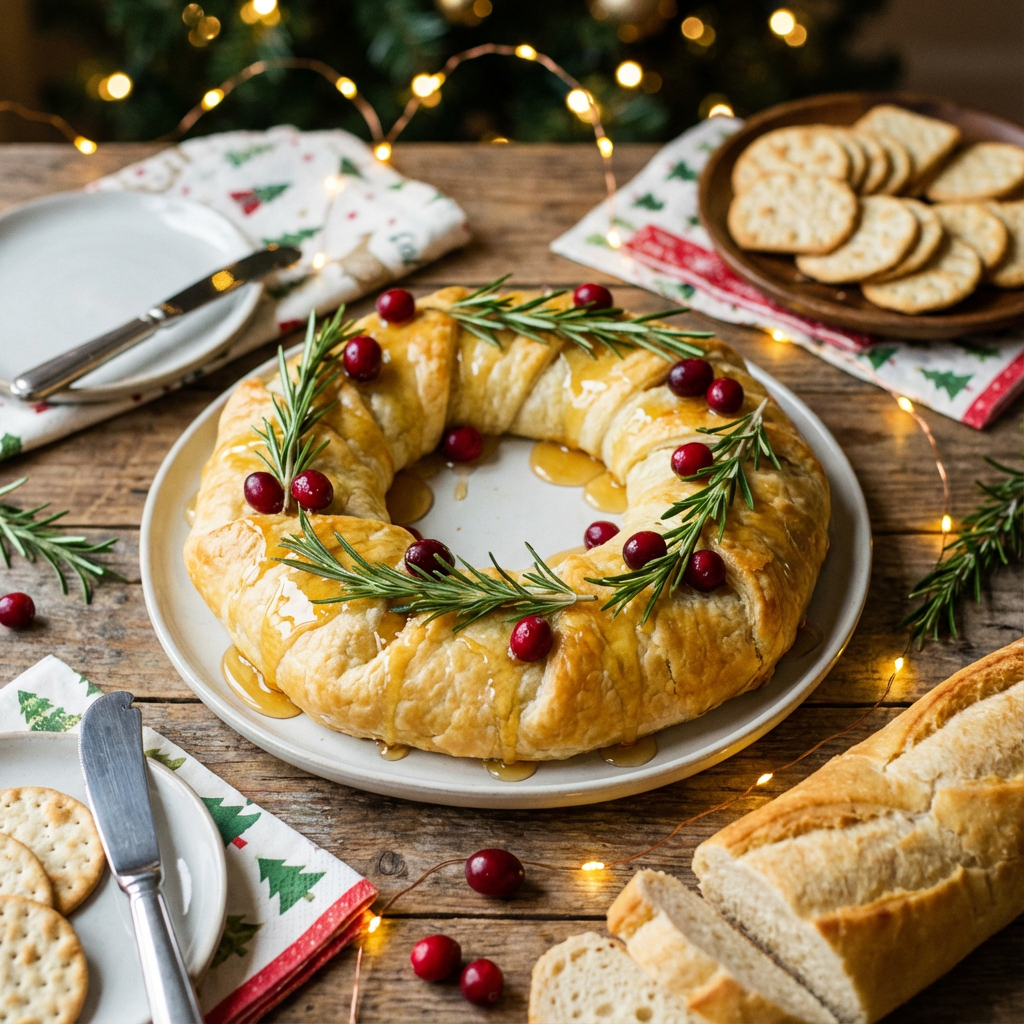
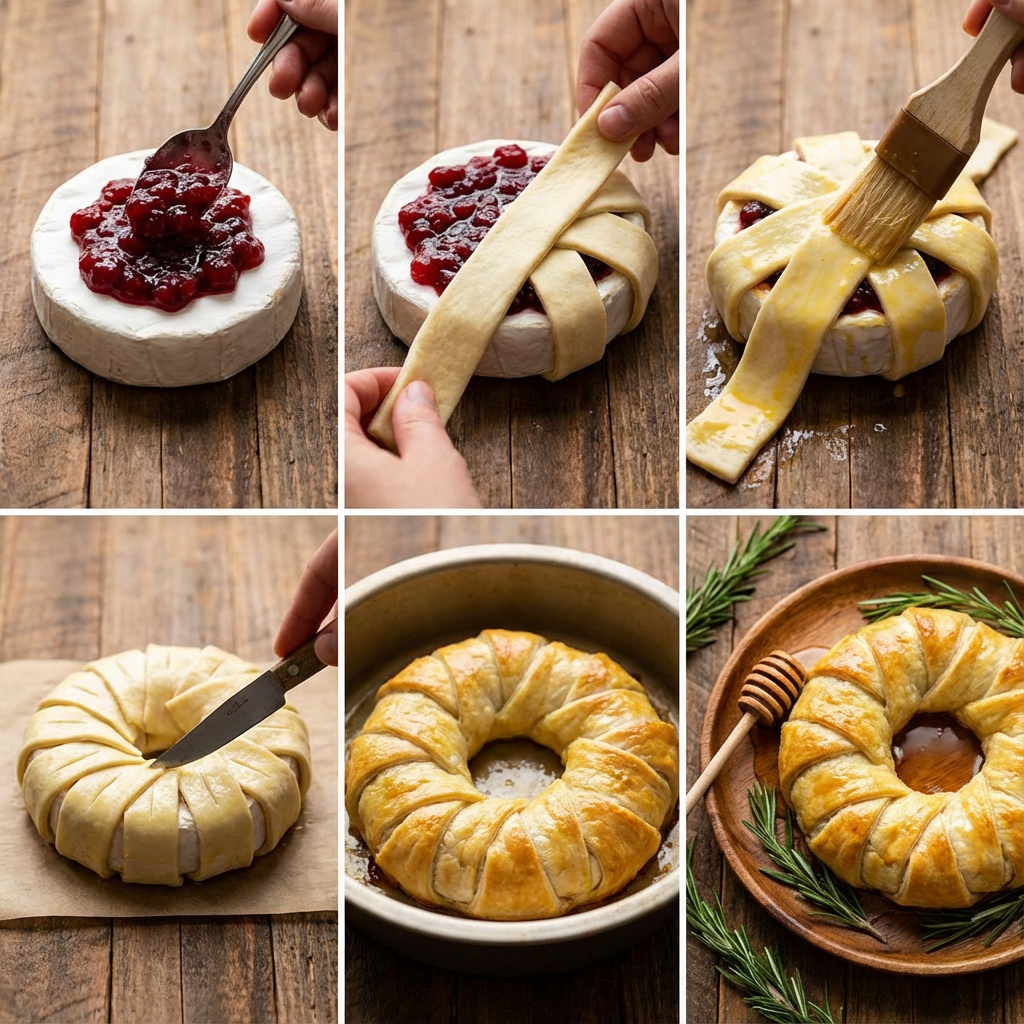
For warm cheesy Christmas dishes, timing is everything. When making baked brie en croûte, the pastry must be cold while the oven is hot. Wrap your wheel of brie in thawed puff pastry, brush with egg wash, and bake at 400°F for approximately 25 minutes until golden brown. Then, crucially, allow it to rest for 5-10 minutes before serving—cutting too soon results in a flood of cheese rather than the luscious, controlled ooze that makes this dish so impressive.
Troubleshooting and Expert Tips
Even experienced home cooks encounter challenges with cheese-based holiday recipes. Here are solutions to common issues I’ve faced over the years:
If your cheese ball mixture is too soft to hold shape, it likely needs more time in the refrigerator. Alternatively, add a bit more shredded hard cheese to absorb moisture. Conversely, if your mixture is crumbly and difficult to form, it may be too cold or might benefit from a splash of cream to improve cohesion.
Temperature management is crucial for all cheese dishes. Cold cheese won’t melt properly in hot applications, while overheated cheese can become stringy or separate. For fondue or cheese dips, heat gently and stir constantly. Adding a tablespoon of cornstarch tossed with grated cheese helps prevent separation and creates a silkier texture.
When working with baked cheese dishes, undercooking is better than overcooking—you can always return something to the oven, but once cheese has curdled or hardened, there’s no salvaging it. Look for bubbling edges and slight softening rather than complete liquefaction as indicators of doneness.
For make-ahead success, prepare components separately and assemble closer to serving time. [Cheese platters can be arranged](https://www.sofyarecipes.com/perfect-cheese-platters) several hours before guests arrive—just cover with slightly damp cheesecloth and refrigerate, then bring to room temperature before serving. Most cheese balls can be made up to three days ahead and stored wrapped in plastic in the refrigerator.
Remember that [seasonal ingredients](https://www.sofyarecipes.com/cooking-with-seasonal-ingredients) make holiday cheese dishes extra special. Consider incorporating winter citrus zest, pomegranate arils, or fresh rosemary to highlight the festive season. These bright accents cut through richness and visually enhance your creations.
Presenting and Preserving Your Festive Cheese Creations
Setting the Stage: Serving Your Holiday Cheese Dishes
The presentation of your cheese creations is almost as important as their taste. I’ve found that elevating cheese dishes on cake stands or wooden boards creates visual interest and makes them more accessible on crowded holiday tables. For cheese balls, place them slightly off-center on a platter surrounded by an array of crackers, sliced baguette, and fresh fruits. This arrangement creates an abundant feeling while making the cheese ball itself the star.
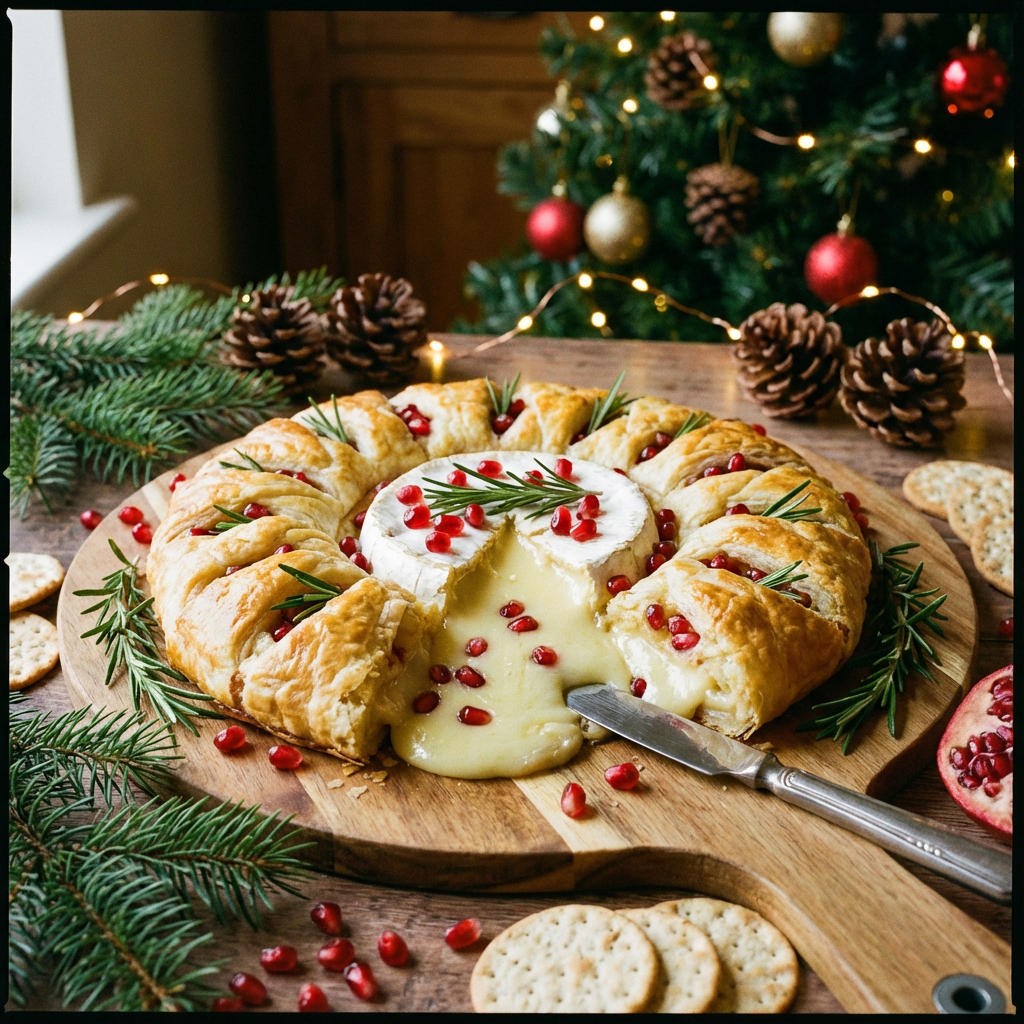
Timing matters tremendously. Cheese-based appetizers should be served at the right temperature—cold cheese lacks flavor complexity, while overheated cheese becomes oily or stringy. Remove refrigerated cheese dishes about 30-45 minutes before serving, keeping them away from direct heat sources or sunny windows. For warm dishes like baked brie or cheese dips, serve them immediately after their brief resting period for that perfect, photogenic cheese pull.
Consider the broader context of your holiday meal when deciding when to serve cheese dishes. Lighter options like herb-rolled goat cheese or whipped feta make excellent pre-dinner appetizers, while more substantial creations like cheese balls or baked brie work well as part of a holiday cocktail hour. Reserve fondue or raclette for interactive holiday gatherings where the communal cooking experience becomes part of the entertainment.
Accompaniments should complement without overwhelming. For savory cheese dishes, offer a variety of vehicles for enjoying them—artisanal crackers, sliced apples and pears, endive leaves, and breadsticks provide textural variety. For sweeter preparations, include gingersnap cookies, graham crackers, or shortbread alongside the traditional options.
Extending the Joy: Storing and Repurposing
Holiday entertaining often means managing leftovers thoughtfully. Most cheese balls can be tightly wrapped in plastic and refrigerated for up to one week. If the exterior coating begins to soften, simply roll the cheese ball in fresh herbs or nuts before serving again. For baked cheese dishes like brie en croûte, refrigerate leftovers promptly and reheat in a 300°F oven just until warmed through—high heat will make the cheese separate and the pastry tough.
Transforming cheese dish leftovers creates exciting post-holiday meals. Crumble leftover cheese ball into an omelet or frittata for a luxurious breakfast. Blend it into mashed potatoes for an indulgent side dish, or stir into hot pasta for an instant creamy sauce. Even the coating ingredients can be repurposed—herb and nut mixtures make excellent toppings for roasted vegetables or salads.
For those with dietary restrictions, most cheese-centered holiday recipes can be adapted successfully. Lactose-intolerant guests may tolerate aged hard cheeses, which contain less lactose than fresh varieties. For dairy-free alternatives, cultured nut-based “cheese” products have improved dramatically in recent years and work particularly well in cheese ball formats where herbs and other mix-ins help create complex flavors.
Gluten-free guests can enjoy cheese balls and dips with gluten-free crackers, vegetable crudités, or rice crackers. When making baked cheese dishes, gluten-free puff pastry is increasingly available, or you can substitute phyllo dough brushed with olive oil for a different but equally delicious presentation.
Frequently Asked Questions
How far in advance can I make cheese balls for a christmas Christmas party?
Most cheese balls can be prepared up to three days before your event. Make the mixture, form the ball, and roll it in its coating, then wrap tightly in plastic wrap. Store in the refrigerator and remove about 30-45 minutes before serving to take the chill off. If the coating looks a bit soft after storage, you can quickly roll it in a bit more of the fresh coating mixture just before presenting.
What’s the best way to prevent cheese dips from becoming oily or separating?
The key is gentle, low heat and adding a stabilizer. Toss your grated cheese with a tablespoon of cornstarch before adding it to your base. Heat slowly, stirring constantly, and avoid boiling. A splash of white wine or lemon juice adds moisture and helps create a smooth emulsion. If separation occurs, remove from heat and whisk vigorously, adding a splash of warm milk until the texture recovers.
Can I freeze cheesy Christmas holiday appetizers?
Some cheese-based dishes freeze better than others. Unbaked dishes like cheese balls freeze quite well for up to one month. Wrap tightly in plastic wrap, then foil, and thaw overnight in the refrigerator before serving. Baked cheese appetizers generally don’t freeze well as the texture becomes grainy when thawed. If freezing is necessary, it’s best to freeze components separately rather than the finished dish.
What cheeses work best for vegetarian holiday dishes?
Most cheeses are vegetarian, but some traditional varieties use animal rennet in production. For strictly vegetarian holiday cheese dishes, look for products labeled with “vegetable rennet” or “microbial rennet.” Excellent vegetarian options include many cheddars, mozzarella, cream cheese, goat cheese, and most Swiss-style cheeses. When in doubt, specialty cheese shops can provide guidance on vegetarian options that maintain authentic flavor profiles.
Conclusion :
The holiday season is a time for connection, celebration, and creating memories around the table. These cheesy christmas recipes I’ve shared are more than just delicious food they’re vehicles for bringing people together, sparking conversation, and continuing traditions. Whether you’re crafting an elegant baked brie, a festive cheese board, or trying one of my beloved cheesy , remember that the joy comes not just from the perfect execution but from the sharing.
As you move through this holiday season, I hope these cheese-centered creations become part of your own traditions, evolving and adapting to your family’s tastes while maintaining that essential quality that makes them perfect for gathering around. May your holidays be filled with warmth, laughter, and plenty of cheese!
Print
Best 12 Cheesy Christmas Recipes cheesy christmas recipes
- Total Time: 35 minutes
- Yield: 1 wreath (serves 6–8) 1x
- Diet: Vegetarian
Description
This Cheesy Christmas Baked Brie Wreath combines creamy baked brie, golden puff pastry, and a festive cranberry glaze for the ultimate holiday appetizer. Perfect for sharing!
Ingredients
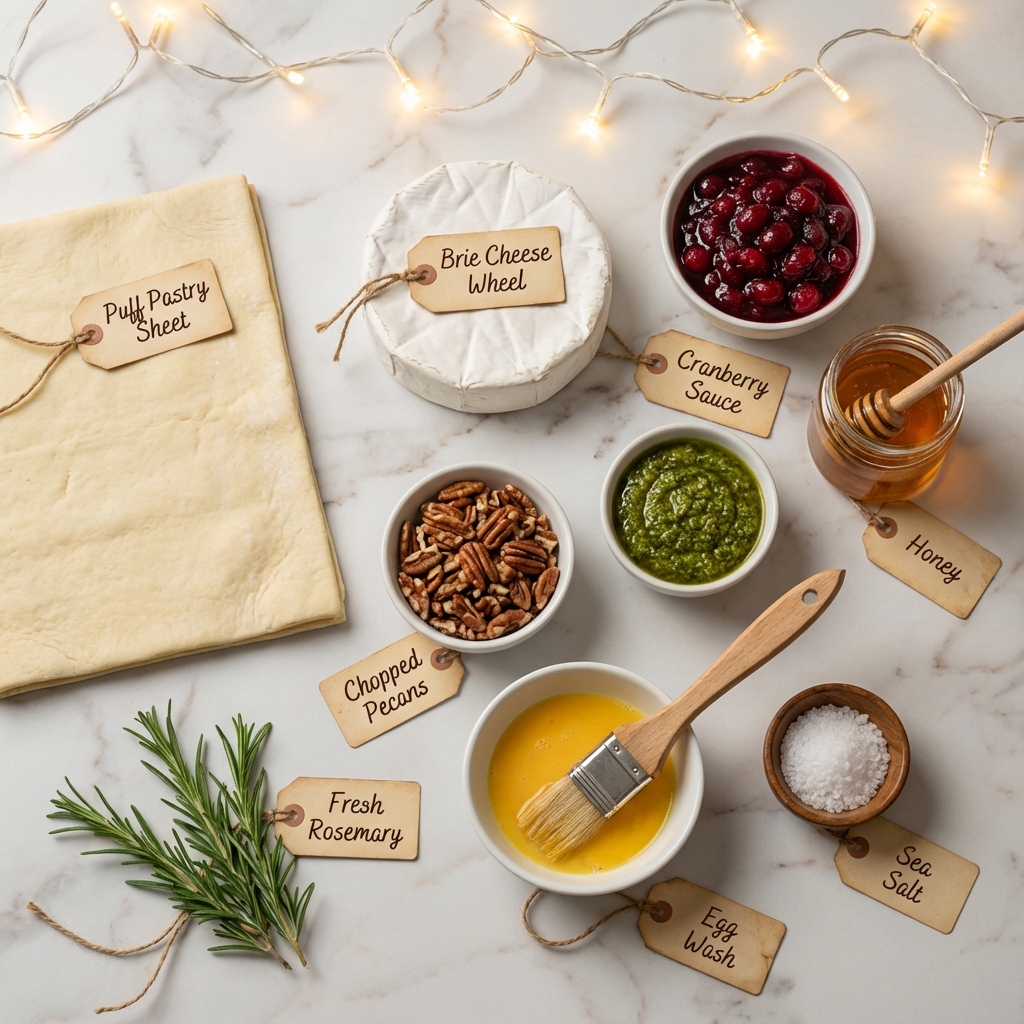
1 wheel of brie cheese (8 oz)
1 sheet of puff pastry, thawed
1 egg, beaten
1/3 cup cranberry sauce (whole berry)
2 tbsp chopped pecans (optional)
1 tbsp honey
Fresh rosemary sprigs (for garnish)
Sea salt (to taste)
Instructions
1. Preheat your oven to 400°F (200°C) and line a baking sheet with parchment paper.
2. Roll out the puff pastry into a large square. Place the brie in the center.
3. Spoon the cranberry sauce over the top of the brie and sprinkle with chopped pecans if using.
4. Wrap the puff pastry up and over the brie, sealing the edges at the top.
5. Flip the wrapped brie over so the seam is on the bottom. Brush with the beaten egg.
6. Score the top lightly in a crisscross pattern and sprinkle with a pinch of sea salt.
7. Bake for 20–25 minutes, or until golden brown and puffed.
8. Drizzle with honey and garnish with rosemary before serving warm.
Notes
Serve immediately for the best melty center. Can be assembled a few hours ahead and baked just before guests arrive.
- Prep Time: 10 minutes
- Cook Time: 25 minutes
- Category: Appetizers
- Method: Baking
- Cuisine: Holiday
Nutrition
- Serving Size: 1 slice
- Calories: 210
- Sugar: 4g
- Sodium: 320mg
- Fat: 15g
- Saturated Fat: 7g
- Unsaturated Fat: 6g
- Trans Fat: 0g
- Carbohydrates: 14g
- Fiber: 1g
- Protein: 6g
- Cholesterol: 35mg